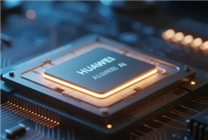

Huawei’s AI Chip Market Domination on the Horizon
Summary:
- Market Predictions: By 2026, Huawei is projected to capture 50% of China’s AI chip market, establishing itself as the leading player.
- Market Dynamics: NVIDIA’s market share is expected to plummet to 8%, while local competitors like AMD may secure 12%.
- Future Growth: Local AI chip production in China might exceed domestic demand by 2028, showcasing rapid advancements in semiconductor technology.
In a recent analysis, it has become evident that Huawei’s ongoing investments in artificial intelligence (AI) chip technology could lead to substantial market shifts by 2026. Bernstein Research underscores this potential, forecasting that Huawei will dominate 50% of the AI chip market in China.
Currently, NVIDIA holds the top spot in this market with a 39% share, closely followed by Huawei. However, the landscape is anticipated to change dramatically in the coming years. Bernstein’s findings indicate that NVIDIA’s market share may dwindle to a mere 8% by 2026, while local firms like Huawei are set to experience remarkable growth.
Additionally, the American semiconductor giant AMD is expected to secure the second position with a 12% market share, while companies such as Cambricon could rank third. This shift illustrates a larger trend of local manufacturers gaining traction as China’s technological capabilities continue to advance.
Looking further into the future, projections for 2028 suggest that China’s production of AI chips may outpace domestic consumption, leading to a supply-demand ratio of approximately 104%. In 2026, the ratio is expected to reach 39%, suggesting that local AI chip sales could see an impressive compound annual growth rate (CAGR) of 74% over the next three years. By 2028, sales may surge by 93%, highlighting a significant surge in demand and production capacity.
This anticipated growth reflects China’s increasing autonomy in AI semiconductor technology, positioning it to play a crucial role in the global market. If these projections hold true, Huawei’s Ascend AI chips will likely enhance China’s standing in the international arena of artificial intelligence and semiconductor technology.
The implications of this shift could be far-reaching, particularly for businesses and consumers alike. As local companies become more competitive, it may lead to innovation, lower costs, and improved technologies across various sectors. Furthermore, China’s advancements in AI chip technology could reshape both the competitive landscape and partnerships within the global semiconductor industry.
In conclusion, Huawei is poised to play a pivotal role in the future of AI chips in China. Its expected market leadership will not only transform the domestic landscape but also influence global trends in artificial intelligence and semiconductor technology.