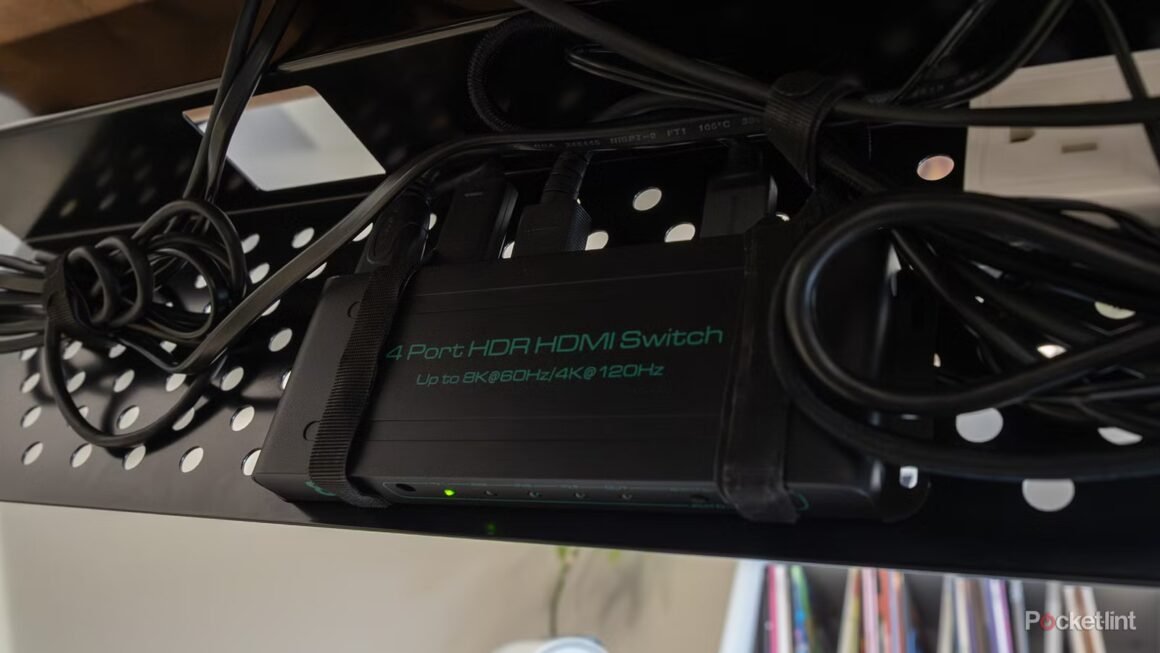

The HDMI switch has become a common accessory for home theater systems, essential for expanding the number of devices you can connect to your TV. They allow multiple HDMI sources to utilize a single input, addressing the often sparse number of ports found on many TVs, especially those released in the past few years.
This development is crucial for anyone investing in mid-range to high-end TVs. With manufacturers frequently opting to include only two or three HDMI ports, those with several gaming consoles, streaming devices, or Blu-ray players may find themselves in need of additional connections. An HDMI switch can be beneficial for multimedia enthusiasts or users with diverse entertainment needs, particularly since many devices now demand the capabilities of HDMI 2.1 for features like 4K at 120Hz or eARC audio.
In terms of pricing, HDMI switches range widely based on features and specifications. Basic models start around $20, providing just the bare essentials but lacking support for advanced capabilities. Mid-range options—typically priced between $40 and $100—usually offer HDMI 2.1 support, variable refresh rate (VRR), and auto low-latency mode (ALLM). High-end alternatives can exceed $150, boasting additional features like multiple outputs and enhanced signal quality. To assess alternatives, consider powered models, which prevent issues like signal degradation over long distances, against passive ones that rely solely on HDMI cable power. Potential buyers should evaluate their specific setup and needs before proceeding.
Ultimately, whether you need an HDMI switch hinges on the complexity of your setup. Casual viewers, primarily using streaming services, might find an HDMI switch unnecessary, especially if their TV offers sufficient connectivity for their needs. On the other hand, avid gamers and home cinema enthusiasts, who often juggle multiple devices, may find the investment well worth it. However, those with simple setups or few connected devices could easily find alternative solutions, such as managing connections directly or upgrading to a TV with ample HDMI ports, making the switch less appealing.
Source:
www.pocket-lint.com