


Doubao Mobile Assistant Sparks Controversy
Summary:
- Doubao and ZTE have unveiled a mobile assistant prototype aimed at developers.
- Concerns have arisen regarding unauthorized data access, triggering privacy discussions.
- Insights from industry experts highlight challenges for software companies entering mobile hardware.
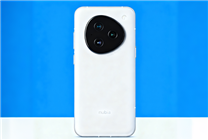
On December 4, Doubao Technology and ZTE introduced a new mobile assistant engineering prototype aimed primarily at industry professionals and developers. While the prototype is currently in an experimental phase, its early adoption by bloggers and tech enthusiasts is drawing significant attention.
However, the unveiling has not come without controversy. Reports have surfaced alleging that the Doubao Mobile Assistant may have accessed user information without proper authorization, raising privacy concerns and sparking heated debates across various tech communities.
Doubao’s Strategy in the Mobile Space
Despite growing interest, Doubao officials have consistently stated that they have no plans to develop their own mobile devices. Instead, the company is focusing on partnerships with various smartphone manufacturers to promote their mobile assistant technology. This stance, however, has not quelled speculation regarding Doubao’s intentions to reenter the mobile phone sector, particularly given its historical acquisition of a smartphone brand.
Industry Perspectives
Luo Wei, Honor’s Chief Imaging Engineer, weighed in on the situation. His candid remarks underline a concern for companies trying to pivot from software to hardware:
-
Strategic Entrances: The concept of a “moat” is critical; establishing a strong entry point into hardware is akin to creating a toll station for market share. This is a pivotal battleground where Internet and hardware companies are vying for dominance—each sector’s goal is to make the leap and conquer the other’s territory.
-
Crisis Awareness: Internet companies often face a sharper sense of crisis due to their relatively shallow competitive moats. Developing hardware can be a lengthy and complex endeavor, posing considerable risks.
-
Lessons from Apple: The Apple model serves as an ideal benchmark for many, showcasing the profitability of combining powerful software and seamless hardware integration. However, achieving a similar level of success is rarely immediate. The introduction of AI technologies further complicates the landscape, as companies with robust AI capabilities look to disrupt existing platforms like Android.
-
Challenges in Hardware Development: Luo highlights that software-centric companies struggle significantly in the hardware arena. Even Google, despite its resources, has struggled to make a substantial impact post-HTC acquisition, indicating that success in this space requires more than just ambition.
- Huawei’s Unique Position: Huawei’s strategic approach in the automotive sector has yielded positive outcomes, attributed primarily to its extensive investment in research and development. The collaboration model Huawei employs allows it to strengthen its partners’ capabilities rather than simply selling tech solutions, creating a competitive edge in a saturated market.
The crux of the argument posits that in such partnerships, one company must be willing to capitulate, enabling the other to assert its vision and strategy. Without this dynamic, successful collaboration becomes exceedingly rare.
Skepticism About Doubao’s Future
Given the current landscape and the challenges highlighted by Luo Wei, the outlook for Doubao’s venture into hardware remains cautious. The lack of robust hardware development capabilities within Doubao—compared to established players like ZTE—raises questions about the potential success of their collaborative efforts. As the industry evolves, merely pairing two players without substantial strengths will not yield significant innovation.
As the tech community closely monitors the evolution of the Doubao Mobile Assistant and its potential implications for user privacy, the outcome of this partnership remains uncertain. Doubao’s next steps could define its future in the rapidly changing mobile landscape, where consumer trust and technological advancement are paramount.
In conclusion, while the ambition to innovate is commendable, both Doubao and ZTE will need to navigate significant obstacles to capture a meaningful share of the evolving mobile technology market. The journey ahead will undoubtedly be closely watched by industry analysts and tech enthusiasts alike.