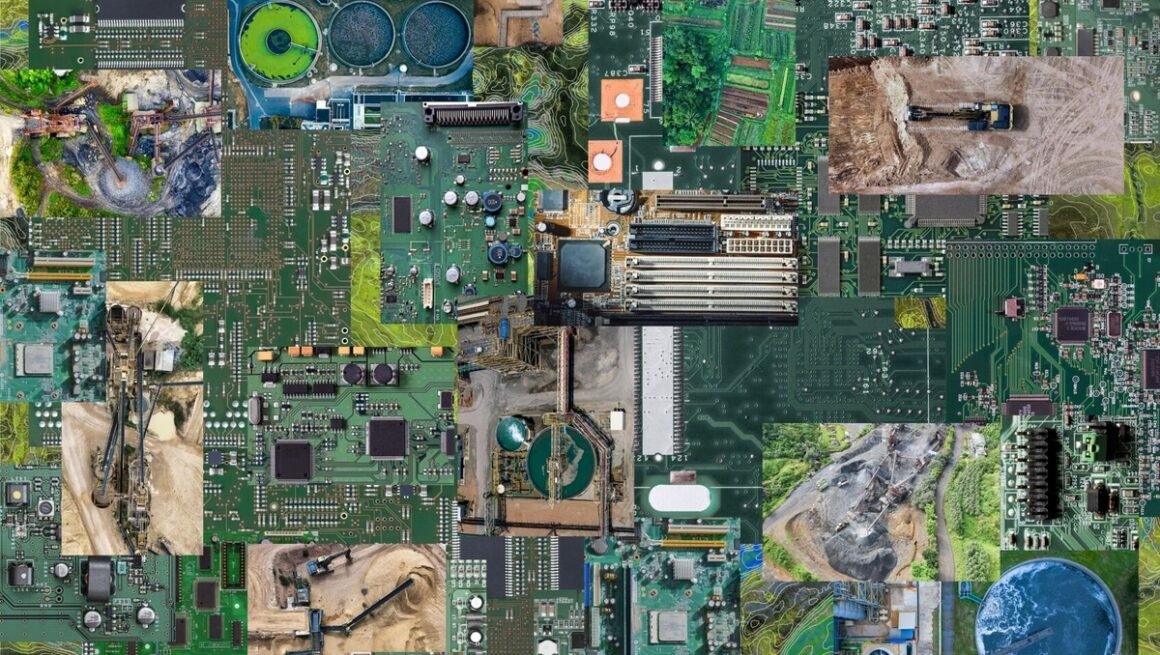

Recent analyses highlight significant environmental concerns associated with the use of graphics cards in artificial intelligence (AI) applications. A study focused on seven graphics cards commonly employed by AI giants reveals that the energy demands during the operation phase overshadow those during manufacturing. An Nvidia A100, for instance, can consume over 10,000 kWh just during its training phase, which is comparable to the energy used by more than 40 washing machines in the same period.
This information is crucial for individuals or organizations contemplating the use of AI technologies. With sustainability becoming a focal point for many consumers and businesses, understanding the carbon footprint and energy consumption of high-performance hardware has never been more relevant. This trend applies globally, as even in regions with cleaner energy sources, like Europe, the operational inefficiencies of these graphics cards still result in significant emissions.
In the current market landscape, high-performance graphics cards typically range from $1,000 to upwards of $10,000, depending on specifications and use cases. Alternatives like the AMD Radeon MI series or mid-tier Nvidia GeForce cards may offer a more energy-efficient option for less intensive applications. However, their performance for AI tasks may not rival that of the top-tier options like the Nvidia H100, which is built specifically for heavy workloads, albeit at a higher environmental cost. Thus, consumers must balance performance needs with environmental considerations when choosing hardware.
For those looking to optimize their AI capabilities, investing in high-end graphics cards may seem appealing, but it’s essential to consider the substantial energy costs and environmental impact associated with these components. Alternatively, users with lighter AI workloads may find that a mid-range option is not only more economical but also places less strain on energy resources. Ultimately, those particularly concerned about sustainability may want to explore less energy-intensive alternatives or even cloud-based solutions that can offload some of the resource demands associated with local hardware.
Source:
www.lesnumeriques.com