
The Future of Memory Supply: Insights from CES 2026
Summary:
- Memory supply shortages are more severe than anticipated, predicted to last until 2031.
- DRAM prices are becoming a significant challenge for consumers in 2026.
- The allocation of memory for the year has already been largely settled.
As the curtains close on CES 2026, industry experts are reflecting on the trends and revelations that emerged throughout the exhibition. Notably, the surge in demand for memory by AI companies is more alarming than many had previously anticipated. This increase in consumption is set to create profound implications for the technology landscape in the coming years.
Shortage of DRAM: A Growing Concern
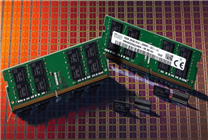
This year’s CES provided a platform for discussing new product releases, yet conversations consistently circled back to a pressing issue: memory prices. The consensus among industry insiders is clear: The shortage of DRAM (Dynamic Random-Access Memory) is becoming a critical challenge that consumers will encounter throughout 2026.
DRAM is crucial for various technology products, and even minor requirements can contribute to significant price hikes. The demand for memory has skyrocketed, and it’s not just the leading tech companies driving this need; AI integrations across multiple sectors are rapidly consuming available resources.
Jak Connor, a noted technology news editor, highlighted that numerous stakeholders—including system integrators and component manufacturers—are voicing concerns about the memory landscape. It’s reported that the memory supplies for the entirety of 2026 have been nearly sold out in advance. Experts warn that this trend could lead to ongoing shortages extending into 2031.
Impacts on Pricing and Consumer Choices
Amid the current supply constraints, memory prices are expected to stabilize in the short term, particularly in the initial months of the year. However, as the situation evolves and available supplies dwindle, several industry sources indicate that prices may worsen before any potential recovery occurs.
For consumers and businesses alike, the looming specter of memory shortages raises an important question: Have you taken the necessary steps to secure your hardware ahead of these anticipated price increases? The implications for personal and organizational budgets are significant, as memory is a fundamental component for a variety of digital applications.
Navigating Future Memory Markets
The memory crisis unfolding within the tech industry calls for strategic foresight. Organizations and consumers must consider their immediate and long-term needs for hardware. With projections suggesting a continued demand surge driven by AI innovations, securing DRAM will become increasingly critical.
Various sectors, from gaming to enterprise applications, heavily rely on efficient memory allocation. The long-term prospects indicate ongoing challenges, necessitating that stakeholders adjust their strategies to mitigate further impacts from future shortages.
Conclusion
As CES 2026 wraps up, it is clear that the memory supply shortfall poses both a challenge and an opportunity for the tech industry. Thoughtful planning and proactive purchasing can help navigate the complexities of an increasingly constrained memory market. With predictions extending well into 2031, awareness and action in this area are imperative for anyone reliant on technology to sustain their operations or hobbies.
By understanding the market dynamics and preparing strategically, consumers and businesses can better position themselves to thrive in the competitive tech landscape of the future. The era of memory shortages calls for innovation in both technology and purchasing strategies as we move forward into an unpredictable market environment.