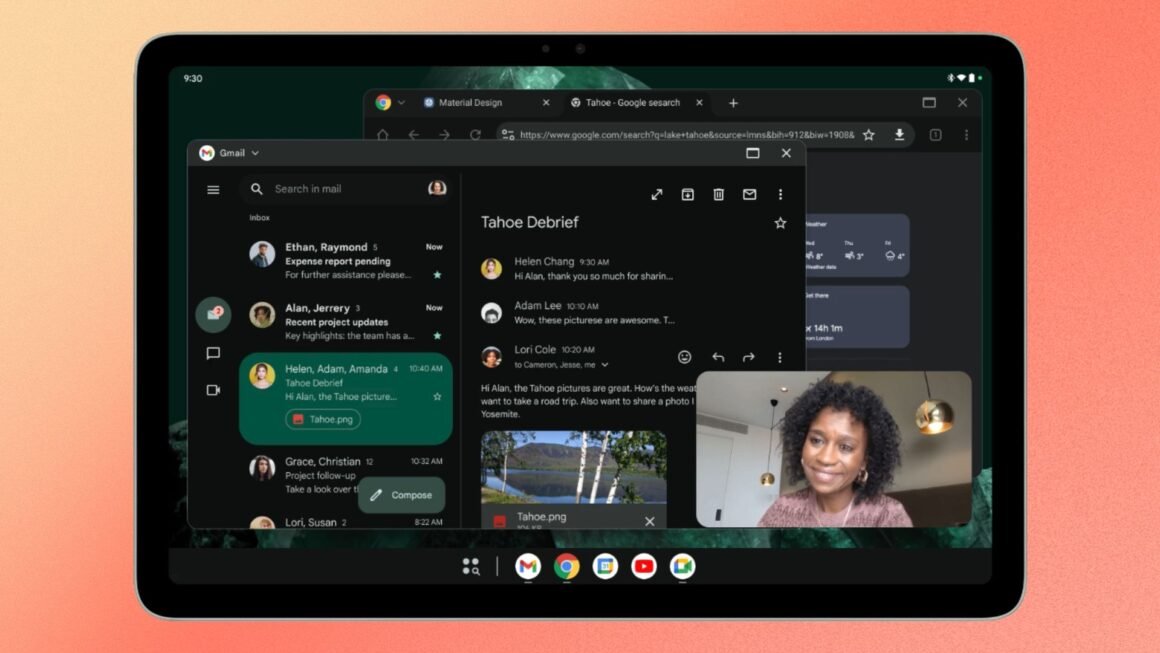

Google’s Desktop Windowing feature, first announced in 2024, is currently available on the Google Pixel Tablet with Android 16 QPR3 and is expected to expand to more devices soon.
This development matters for those in the market for tablets, particularly as users increasingly desire multi-tasking capabilities akin to desktop environments. By allowing multiple apps to run simultaneously and enabling adjustable window sizes, Desktop Windowing aims to provide a more versatile user experience for productivity tasks. Users seeking new tablets may find that features like this enhance their overall utility, making it a noteworthy consideration as they decide on devices.
While the feature is currently limited to the Pixel Tablet, other high-end devices will soon support it. Alternatives, like the Samsung Galaxy Tab series and various laptops, offer distinct functionalities at varying price points. For example, Samsung Galaxy Tabs can provide excellent performance for multi-tasking but may lack the specific desktop-like experience that Google’s feature promises. On the budget side, options like Chromebooks may also serve users needing a simple, easily portable computer experience, albeit without the fluid window management Desktop Windowing boasts.
This feature is particularly suited for those who rely on tablet technology for work or multi-tasking. However, casual users who primarily consume media or engage with apps one at a time may find little need for such a complex capability. They might opt instead for simpler, less expensive devices that cater more to their general needs. If you’re not invested in a workflow that requires multiple windows, you could find better value in other tablet models or lower-cost alternatives better tailored to lighter usage.
Source:
www.trustedreviews.com