
Advanced Dual Interface Modification for RTX 5090 Achieves Superior Load Balancing
Summary:
- A modded version of the RTX 5090 introduced dual 12V-2×6 interfaces for enhanced load balancing.
- The modification successfully redistributes power consumption, improving operational safety.
- This innovative solution paves the way for future enhancements in high-performance graphics cards.
In a recent breakthrough within the custom PC building community, a skilled enthusiast known as sugi0lover has successfully modified a Gigabyte RTX 5090 graphics card to include dual power interfaces. This impressive accomplishment not only demonstrates technical prowess but also addresses a significant concern regarding the safety and efficiency of power consumption in high-end gaming cards.
The Challenge with Single Interface Limitations
As graphics cards become increasingly powerful, the demand for effective power management intensifies. The NVIDIA RTX 5090, while utilizing upgraded 12V-2×6 specifications, still faced inherent risks when driven at full load, particularly in high-stakes gaming scenarios. The original single interface design often resulted in overheating and potential failure under heavy loads.
Ingenious Modification Process
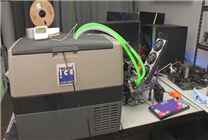
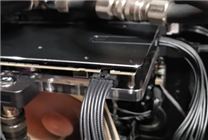
Upon inspecting the Gigabyte RTX 5090’s design while installing a cold head, sugi0lover discovered an unutilized 12V-2×6 interface pad located at the PCB’s lower right corner. This finding prompted an exciting opportunity: without any extensive circuit alterations, he coordinated with a fellow enthusiast to solder the existing pad to create a functional second power interface.
The modification allowed for dual-interface operation—an innovative solution that not only showcased creativity but also embraced the growing trend toward customization in high-performance computing.
Measuring the Impact of Dual Interfaces
Upon testing the modified card under a load of 600W, the results were compelling. The original power interface accounted for 369W (61.5% of the total), while the newly soldered interface managed to share an impressive 231W (38.5%). Although this didn’t produce a flawless 50/50 balance, the redistribution significantly reduced the load on the primary interface, effectively lowering the risk of overheating or potential failure.
Benefits of Enhanced Load Balancing
While achieving a perfect distribution of load remains elusive, the addition of a second interface yields a considerable improvement. By allowing the secondary interface to shoulder up to 40% of the load, this modification presents a proactive approach to ensuring the longevity and reliability of high-performance graphics cards. Minimizing the risk of a single interface overheating can lead to less frequent failure and a more stable gaming experience.
Implications for Future Graphics Card Designs
This modification serves as a beacon for future innovations within the realm of graphics cards. As the needs for greater power and performance evolve, manufacturers may draw insights from these community-led modifications. Enhanced safety features and better load distribution may become standard practice, paving the way for a new generation of graphics cards designed to push the limits of gaming without sacrificing safety or performance.
Conclusion
The successful modification of the RTX 5090 illustrates the invaluable role that innovative thinking plays in the tech community. With enthusiasts like sugi0lover leading the charge, the world of high-performance computing is bound to evolve, fostering an environment that embraces modifications that balance cutting-edge technology with user safety. This development not only enhances singular gaming experiences but also contributes to broader conversations around efficiency and technology in general.
This technical achievement highlights not only the creativity of individual enthusiasts but also sets the stage for a future where power management in high-performance computing is safer, smarter, and more efficient. As more users look to customize their systems, advancements like this may soon become a common practice among gamers and PC builders alike.