
High refresh rate televisions, particularly those with 120Hz support, have become increasingly popular among consumers seeking a balance between entertainment and gaming. These TVs can provide a smoother viewing experience and are especially beneficial for gamers looking to maximize performance, allowing for frame rates of 120 FPS. However, these models often come with higher price tags compared to standard 60Hz displays.
This matters for buyers currently navigating the TV market, especially gamers who want to future-proof their purchases. As new gaming consoles and high-performance PC games emerge, the demand for higher refresh rates is expected to increase. For those who engage in both gaming and streaming, the 120Hz capability can enhance the overall experience, although casual viewers might find such features unnecessary.
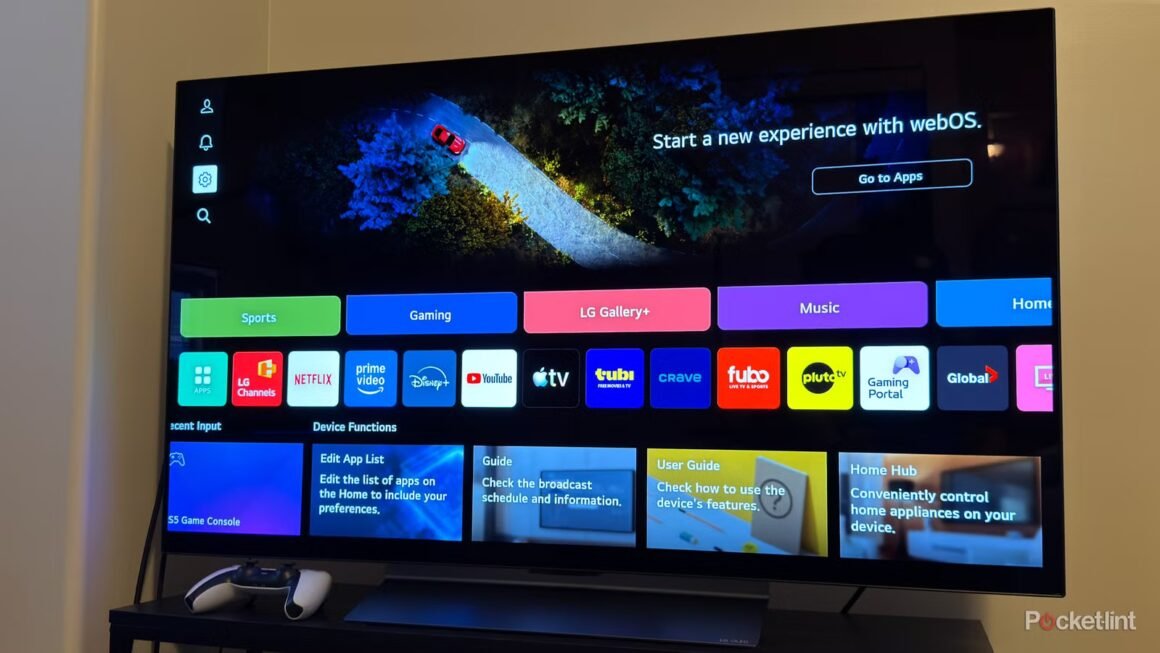
In terms of market context, 120Hz TVs can vary widely in price and functionality. While mid-range options start around $700, premium brands such as LG and Sony offer high-end models that can exceed $2,000 but often include other desirable features like OLED technology and advanced HDR capabilities. For instance, the LG B5 OLED TV combines stunning picture quality with 120Hz, making it attractive for users focused on visual fidelity. In contrast, budget options may provide 60Hz panels that are sufficient for basic use but lack the advanced features that enhance gaming or more demanding viewing scenarios.
For potential buyers, investing in a 120Hz TV makes sense if you prioritize gaming or plan to use it for high-performance applications in the future. However, if your viewing habits are mainly casual—streaming shows or watching movies—a standard 60Hz model may be adequate and more budget-friendly. Consider your usage patterns carefully; some users might find that the premium cost of a 120Hz TV does not align with their viewing needs, making budget options a more sensible choice.
Source:
www.pocket-lint.com