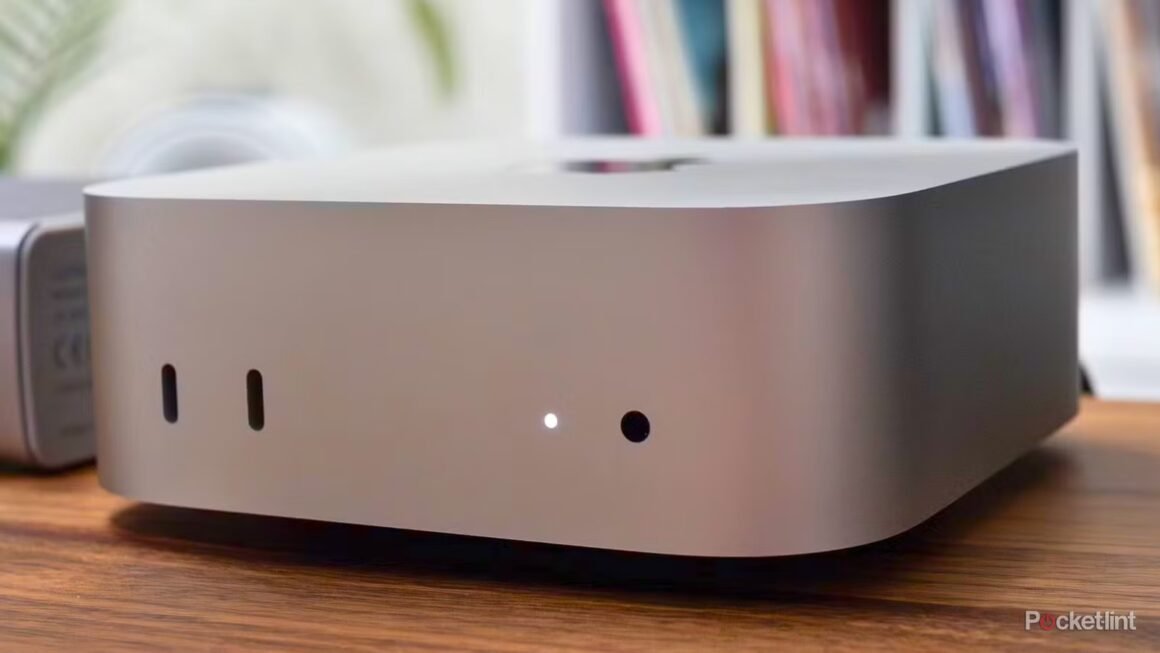

The Apple Mac mini has undergone significant redesigns with the introduction of Apple Silicon, making it a compact and powerful choice for users seeking a mini PC. While it offers formidable performance in a small footprint, one notable absence in its features is a built-in backup battery, which has been a point of consideration for many potential buyers.
This omission is particularly relevant for users who prize portability and flexibility in their computing setup. As more people embrace mobile tech environments, the lack of a backup battery in the Mac mini limits its usability when relocating between workspaces or during power interruptions. This gap in functionality may steer potential buyers who require unhindered device performance and reliability toward alternatives that can address these needs.
In the current market, the Mac mini is competitively priced, with configurations starting around $699 for base models. For those seeking compact computing solutions, there are alternatives like the Intel NUC series and ASUS Mini PCs, which provide similar performance at a comparable or lower price point. However, options such as HP’s Elite series or specialized gaming laptops might offer more robust features but at a significantly higher cost—often exceeding $1,200. Each option presents unique advantages tailored to different user requirements, emphasizing that the choice boils down to specific applications and portability needs.
The Mac mini could be an excellent fit for users who appreciate its compact design and robust performance in applications such as media consumption, light gaming, or productivity tasks. However, those who need the ability to work unhindered during outages or frequent relocations may find more suitable options elsewhere. The absence of a backup battery is a critical consideration for this buyer group, making a product like a portable power bank-enabled workstation or a dedicated laptop a more fitting choice.
Source:
www.pocket-lint.com