
Linux Kernel 7.0 Severs Ties with Intel 440BX Chipset: A Historical Farewell
Summary:
- The Linux Kernel 7.0 officially removes support for the Intel 440BX chipset.
- This chipset, introduced in 1998, was pivotal in advancing PC performance.
- The decision marks the end of an era, as modern systems embrace newer technologies.
On February 16, the release of the Linux Kernel 7.0 signifies the official retirement of the Intel 440BX chipset, a component that was once a cornerstone of computing in the late 1990s. The latest kernel update eliminates the 440BX’s Error Detection and Correction (EDAC) driver, marking the end of official support for this decade-old hardware.
A Glimpse into History
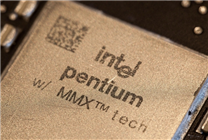
Launched in 1998, the Intel 440BX chipset became synonymous with the Pentium II and Pentium III processors, establishing itself as a foundational technology in the computing landscape. Its introduction of a system bus frequency (FSB) increase from 66MHz to 100MHz was revolutionary, catalyzing a substantial boost in computing efficiency. This bus frequency became a standard feature in PCs throughout the 1990s and early 2000s, setting the stage for better performance in personal computing environments.
Overclocking Legacy
The Intel 440BX not only facilitated improved speeds but also ushered in a new culture of DIY PC building and overclocking. Fueled by its compatibility with chips like the "Celeron 300A" and "Pentium III," enthusiasts frequently overclocked these processors to achieve remarkable performance gains. Despite its age, many users enjoyed stable and powerful systems, which contributed to the 440BX’s legendary status in the community.
The Shift Towards Modern Architectures
Throughout its tenure, the 440BX dominated the physical host market and found relevance even in the early days of virtualization technologies. Virtual machine platforms like VMware often relied on this chipset for emulation purposes. However, as technology advanced and more robust architectures like the Q35 emerged, the rationale for maintaining outdated support for the 440BX has considerably diminished.
The removal of the 440BX’s functionality from the Linux Kernel signifies a necessary step towards modernizing the operating system, allowing developers to focus on supporting contemporary hardware that aligns with current computing needs. As virtualization and cloud computing continue to evolve, this shift paves the way for better performance, security, and functionality in modern computing environments.
Conclusion
The deprecation of the Intel 440BX chipset in the Linux Kernel 7.0 is more than just a technical update; it represents the end of an era in personal computing. As we bid farewell to this historic chipset, we acknowledge its role in shaping the landscape of modern technology. Moving forward, users and developers alike can place their focus on newer technologies that enhance both performance and user experience, allowing the community to embrace the future of computing while respectfully remembering its roots.
In summary, the transition to Linux Kernel 7.0 not only highlights advancements in technology but also serves as a reminder of how far we’ve come since the dawn of personal computing. The legacy of the Intel 440BX will not be forgotten, as it helped launch an era of innovation that continues to influence the tech world today.