



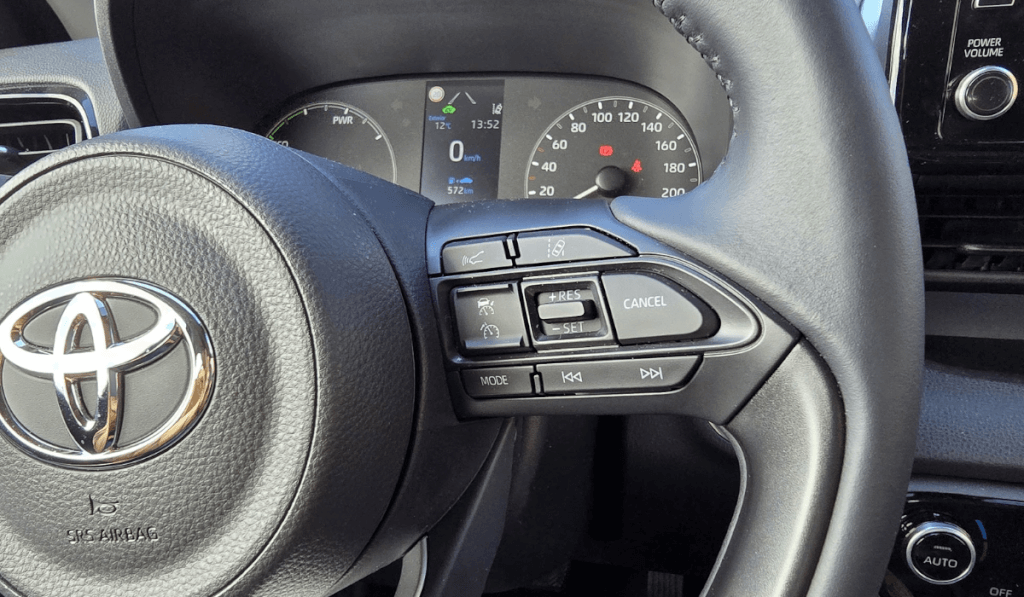

The Emergency Braking System (EBS) is an innovative automotive safety feature designed to automatically apply the brakes when it detects an imminent collision. By utilizing various sensors, including radar and cameras, the system monitors the vehicle’s surroundings to identify potential hazards, making it an integral component of modern vehicle technology.
For prospective car buyers, understanding the significance of EBS is crucial. As more manufacturers incorporate these systems into their vehicles, being aware of the benefits can influence your purchase decision. This technology is designed to enhance safety not only for the driver and passengers but also for pedestrians and other road users. If you’re considering a vehicle equipped with EBS, you are likely prioritizing safety, which is increasingly becoming a standard expectation in new car purchases.
When it comes to pricing and market positioning, vehicles with EBS can vary widely. For instance, entry-level cars like the Toyota Corolla can start around $22,000, while higher-end models, such as the Tesla Model 3, may exceed $40,000. Other alternatives include the Honda Civic at approximately $24,000 and the Subaru Outback around $30,000, each offering their own version of emergency braking features. Factors such as overall build quality, technological interfaces, and additional safety features can dictate price and suitability depending on your budget and specific needs.
This technology is excellent for those who place a premium on vehicle safety and are willing to invest in the associated costs. However, buyers who primarily use their vehicles for short, uncomplicated commutes might find EBS less essential, given that more traditional, reliable driving practices can also mitigate risks. Additionally, if you’re on a strict budget, opting for a less expensive model without advanced safety features might be a more viable choice.
Source:
www.giztab.com