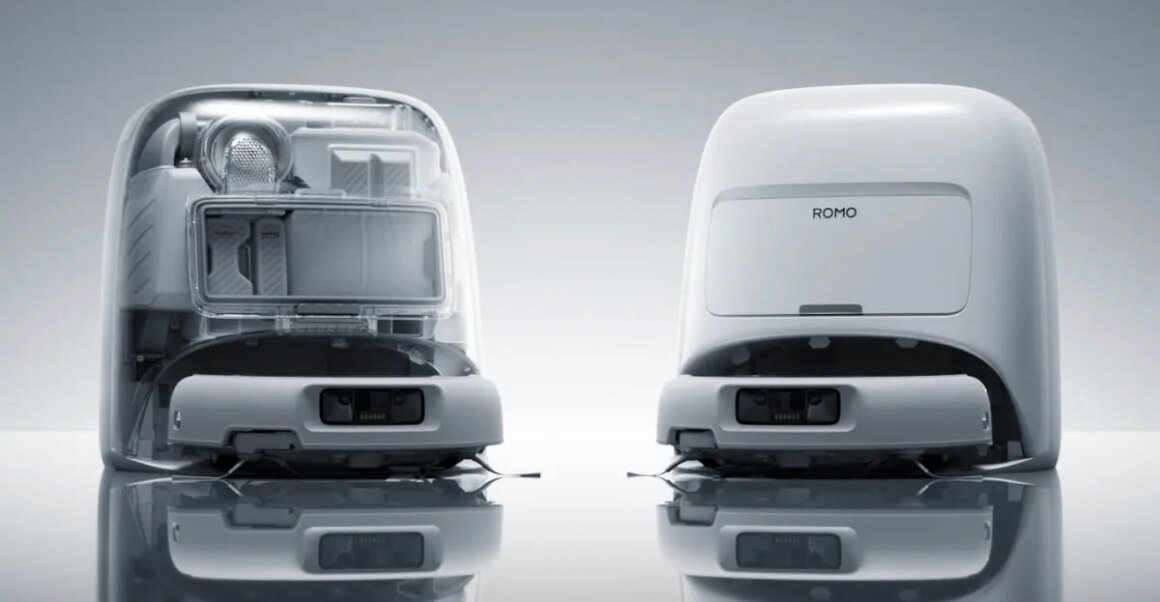

Recently, a man discovered a significant vulnerability in DJI’s Romo robot vacuum, which could potentially allow unauthorized access to live video streams from the device. In recognition of his findings, DJI is reportedly compensating him with $30,000. While DJI has acknowledged some vulnerabilities, it remains uncertain how many issues have been fully addressed.
This development is crucial for potential buyers considering a robot vacuum, particularly those interested in smart home devices. With the growing awareness about privacy and security issues, buyers should evaluate whether the brand they choose has a robust security protocol. This situation particularly impacts consumers who already own or are looking to acquire a DJI Romo, as it raises questions about the safety of the device’s software and its handling of security vulnerabilities.
In terms of market positioning, the DJI Romo falls within the mid to high price range for robot vacuums. Competing models like the iRobot Roomba series offer various price points and features tailored to different user needs, from basic cleaning to advanced mapping capabilities. Brands like Roborock also provide strong alternatives at similar pricing tiers but may prioritize different features, such as suction power or app integration, depending on user lifestyle.
While the DJI Romo may appeal to those specifically seeking a product from a reputable tech company, buyers should approach with caution. If security is a priority, individuals may wish to consider alternatives that have established a track record for timely software updates and transparency regarding vulnerabilities. A buyer who values robust customer support and ongoing security improvements might find better options with brands that prioritize these aspects over associated tech appeal.
Source:
www.theverge.com