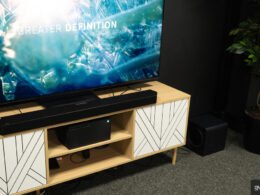

The distinction between IPS and VA panel technologies is crucial for anyone considering a new TV purchase. IPS (In-Plane Switching) panels offer better color accuracy and wider viewing angles, making them ideal for group viewing. VA (Vertical Alignment) panels, on the other hand, excel in contrast and deeper blacks, which can enhance the viewing experience for movies and HDR content.
This information is particularly relevant as consumers look to upgrade their TVs. With many models featuring either IPS or VA panels, understanding the differences can help you make a more informed decision based on how you plan to use your TV. If you often watch TV with a group of friends or family, an IPS panel might be a better choice for its consistent color performance across wider angles. Conversely, if you’re a movie enthusiast who values rich, dark scenes, a VA panel may suit your needs better.
In terms of market alternatives, IPS panels are typically found in mid to high-end models from brands like LG and Samsung, usually priced between $800 to $1,500. VA panels are prevalent in budget to mid-tier TVs, often starting around $400, with higher-end options still being competitive. While VA panels tend to have more affordable options, their limitations in viewing angles may not justify their price for everyone. The choice can depend on specific needs, such as picture quality requirements or budget constraints.
For those who prioritize viewing accuracy and consistent colors, investing in an IPS panel is sensible, particularly for activities like gaming or image editing. However, if you’re primarily watching movies in a dark room, a VA panel’s capability to deliver deeper blacks and better contrast may be preferable. It’s vital to assess what aspect of display quality is most important to you to ensure you make the best choice for your viewing habits.
Source:
www.pocket-lint.com