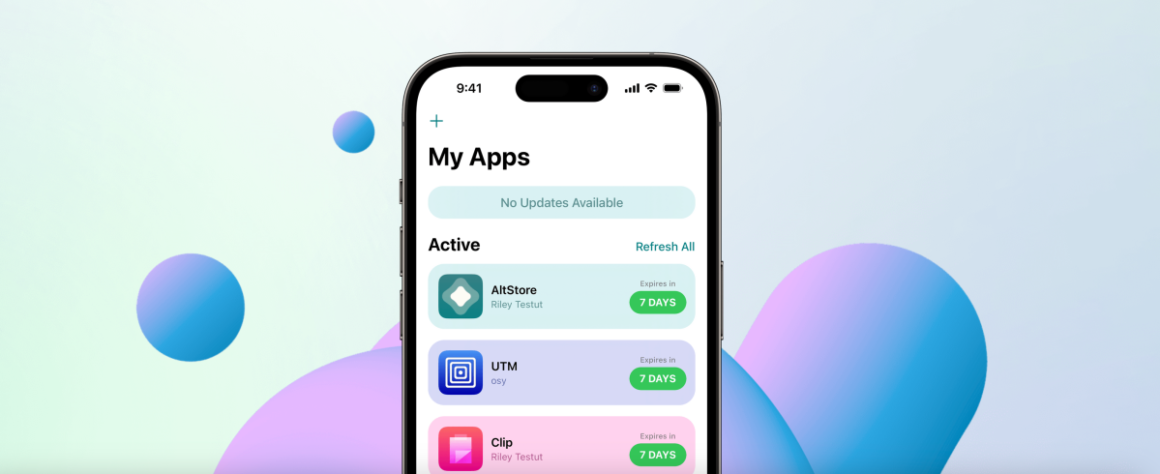

The European Union’s Digital Markets Act (DMA) now allows access to alternative app stores for iOS users. This means developers can distribute apps outside of Apple’s traditional App Store framework, provided they adhere to certain regulatory requirements, including a notarization process for app verification. Developers must accept new business terms and pay fees, such as a €0.50 Core Technology Fee for each app’s first annual install.
This development matters to users interested in app diversity and alternatives to Apple’s tightly controlled ecosystem. With these new regulations, users in the EU and, soon, Japan, can explore a wider range of applications without the stringent limitations imposed by Apple. While this change primarily impacts users in these markets, it sets a precedent that could influence app distribution globally, especially as other markets may adopt similar regulations.
In terms of market context, alternative app stores like AltStore PAL and Epic Games Store have emerged, promoting various applications. The introduction of competing platforms means users may have better access to unique and independent apps that may not make it to the Apple App Store. However, potential buyers should consider that these alternatives might not yet offer the same breadth of apps as Apple’s more established marketplace. As always, an alternative’s effectiveness may depend on individual user needs, preferences, and the types of apps available.
Users intrigued by exploring these alternative marketplaces should consider both their advantages and drawbacks. While alternative app stores provide more options, they often come with less oversight, which could lead to a higher risk of encountering unverified or unsafe applications. Those who prefer a stable and curated experience may still find Apple’s App Store more suited to their needs. Therefore, if security and ease of use are paramount, sticking with Apple’s ecosystem may be the better option.
Source:
techcrunch.com