
Summary
- Rising Prices: DDR5 memory prices have surged dramatically, making it increasingly inaccessible for average consumers.
- Shift to DDR4: Many users are reverting to DDR4 platforms due to comparatively lower costs and continued market availability.
- Manufacturer Adjustments: Major manufacturers are ramping up production and adjusting strategies for DDR4 motherboards in response to market demand.
The DDR5 memory market is currently experiencing unprecedented volatility, with prices skyrocketing two to three times in a short span, particularly for popular configurations such as the 32GB DDR5-6000. Once priced between 600 and 700 yuan, this memory now fetches over 2,000 yuan, with some variations even approaching 2,500 yuan. This rapid escalation signifies that the trend may not stabilize anytime soon.
The surge in memory prices is exacerbated by a concurrent increase in hard drive costs, presenting DIY enthusiasts with a unique challenge. What was once an affordable upgrade for the average consumer has now become a venture exclusive to those with substantial budgets, as the overall expenditure has climbed at least 2,000 yuan higher than before.
As a result, there is a noticeable shift back to the older DDR4 platform. With 32GB DDR4-3200 available for around 1,200 yuan and 16GB options at approximately 600 yuan, many consumers find the DDR4 offerings to be significantly more cost-effective. While DDR4 memory prices are also on the rise, the increases are relatively moderate, and both DDR4 motherboards and processors remain readily available in the market.
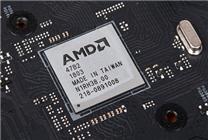
In response to these market dynamics, manufacturers have adjusted their strategies. Notably, AMD has decided to prolong the production of its B550 motherboards, recognizing the sustained demand for DDR4 compatibility. Recent reports indicate that ASUS is also modifying its production plans for the first quarter of 2026. The company is strategically focusing its supply chain and production resources on DDR4 motherboard investments.
On the AMD front, its latest 600 series motherboards and Zen4 Ryzen 7000 series processors do not support DDR4 memory, narrowing options to the older 500 series capable of pairing with Ryzen 5000 series CPUs. Consequently, the production capacity and availability of B550 and A520 motherboards will see significant growth to meet ongoing market demand.
For Intel users, the situation is similarly favorable. The 700 series motherboards and the 14th generation Core processors continue to support DDR4, leading to a substantial increase in the supply of mainstream motherboard options, such as the B760 and H610. This enhancement is especially aimed at e-commerce platforms to satisfy the needs of online consumers. Additionally, offline retail channels will continue to maintain a stable supply of H760 and H610 motherboards to ensure an adequate inventory.
The ASUS factory is committed to facilitating effective channel coordination in the upcoming quarter, planning to actively respond to both online and offline customer sales demands.
Other manufacturers like MSI and Gigabyte are expected to follow suit with similar strategies to adapt to market changes. There’s already evidence that these motherboard manufacturers are increasing their purchase volumes and production capacity for AMD’s B550 chips.
However, a looming concern has surfaced: AMD has begun raising the prices of B550 chips, with costs increasing by approximately $3 to $4 per unit, a change that may soon be reflected in consumer pricing. This could present challenges to those looking to upgrade their systems affordably.
Given that a substantial amount of production capacity is now shifting towards High Bandwidth Memory (HBM), the availability of DDR5 is likely to diminish even further. This situation might lead to intensified supply shortages for DDR4 memory, causing prices to rise as demand outpaces supply.
Conclusion
In light of these developments, consumers and tech enthusiasts may need to reevaluate their upgrade paths. With the market favoring DDR4 memory and motherboards, a transition back to this older technology may not only be prudent but also financially sensible. As manufacturers adapt to these changes, keeping a close eye on pricing trends and inventory levels will be essential for navigating the current landscape of computer memory.