
The Reality of Smart Washing Machines: Consumer Feedback and Industry Recommendations
Summary:
- Smart washing machines promise convenience, but many users face challenges.
- Over half of respondents report issues with functionality and usability.
- Consumers desire enhanced features and reliability from smart appliances.
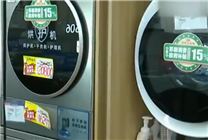
In today’s technology-driven world, the integration of intelligence into household appliances is transforming our daily lives. Among these innovations, smart washing machines have gained significant attention, marketed as modern solutions to streamline chores. However, recent insights from a consumer survey conducted by the Jiangsu Provincial Consumer Protection Commission reveal a different narrative.
The Surprising User Experience
According to the investigation, over 1,200 consumers shared their experiences with smart washing machines, highlighting various shortcomings that contradict the "smart" designation. More than half of the respondents reported encountering chaotic washing procedures, complicated user interfaces, and even system crashes. Such issues undermine the very convenience that these machines are designed to provide.
How Smart Are These Machines?
The survey revealed that the most frequently used feature among smart washing machines is the intelligent identification of clothing materials, utilized by 21.45% of respondents. Other commonly used functions include automatic detergent dispensing, water temperature adjustment, and automatic sterilization and mite removal, all hovering around a 17% usage rate.
Despite these features, 40% of survey participants expressed dissatisfaction, stating that the smart programs do not perform as intended. Complaints ranged from basic functionality failures, such as drainage issues and water leakage, to more sophisticated problems, including touch screen malfunctions and persistent odors in dried clothes.
Consumer Demands for Improvement
The feedback has highlighted significant gaps in the reliability and effectiveness of smart washing machines. A staggering 60% of participants requested improvements in the automatic sterilization and mite removal functions, emphasizing a growing desire for better hygiene features. Additionally, over 50% expressed interest in coordinated washing and drying cycles, reflecting a strong demand for synchronization between different washing phases.
Furthermore, consumers are calling for enhancements that optimize clothing care, including anti-wrinkle and deodorizing capabilities. As such, manufacturers must pay close attention to these consumer desires to drive future innovations.
Recommendations for Manufacturers
In light of the survey findings, the Jiangsu Consumer Protection Commission recommends that companies shift their focus to meet the essential needs of their users. This includes:
-
Enhancing Functionality: Brands should prioritize the accuracy of intelligent recognition systems and ensure the reliability of essential hardware components. By concentrating on fundamental functions, manufacturers can decrease the likelihood of operational errors.
-
Enriching Features: Expanding the scope of practical nursing functions will not only elevate user satisfaction but also establish a stronger market presence. Features such as customizable wash cycles, enhanced fabric care options, and effective stain removal processes should be developed and promoted.
- Prioritizing Usability: Simplifying user interfaces will help alleviate confusion for consumers. An intuitive design can significantly enhance the user experience, making it easier for individuals to navigate various functions without feeling overwhelmed.
Conclusion
As the market for smart washing machines continues to expand, it is imperative for manufacturers to remain attuned to consumer feedback. While the promise of intelligent technology presents exciting possibilities, the reality encountered by users indicates a pressing need for improvement. By addressing the pain points identified in this recent survey, companies can better align their offerings with consumer expectations, ultimately fostering a more satisfying and efficient home appliance experience.
In conclusion, the evolution of smart washing machines is still underway, and a concerted effort from manufacturers to refine their products will be crucial in realizing their full potential. A deeper understanding of consumer needs will lead to innovative solutions that not only enhance functionality but also deliver true value to households everywhere.