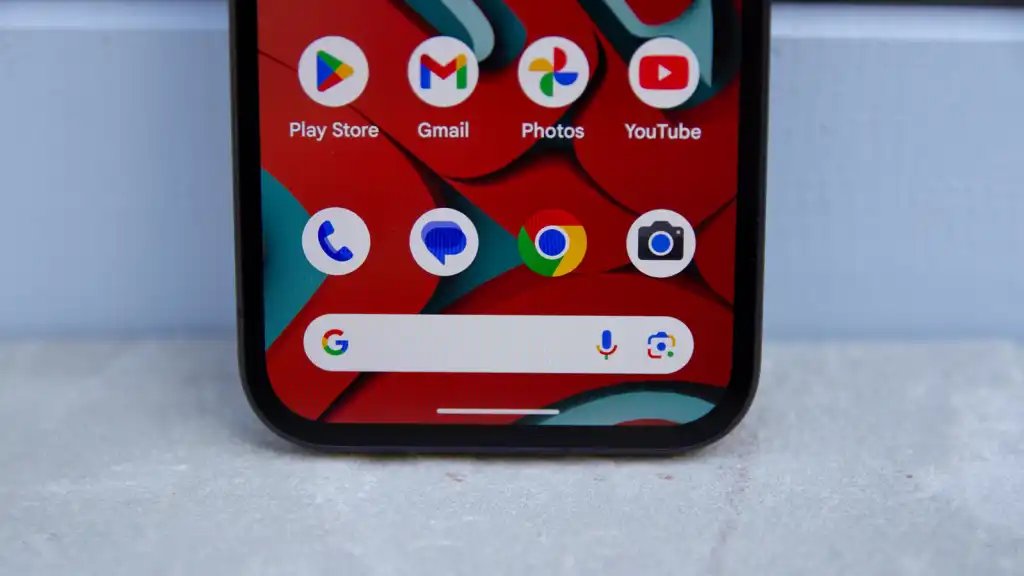

When choosing an Android smartphone, consumers often grapple with the choice between stock Android and custom skins. Stock Android, a clean interface free from bloatware, typically offers a minimalist user experience. On the other hand, manufacturers like Samsung, Xiaomi, and OnePlus implement their own custom designs, which significantly alter the look and functionality of Android.
This distinction is increasingly relevant for buyers. As global smartphone sales grow, understanding the implications of these two software experiences can influence a purchase decision. For instance, if you prioritize fast updates and a streamlined interface, stock Android may better suit your needs. Conversely, if you’re drawn to unique features and brand-specific innovations, a custom skin may enhance your user experience.
In the current market, stock Android can be found on devices from brands like Motorola and Nokia, generally priced in the mid-range ($300-$600). These phones often feature quicker software updates compared to their custom skin counterparts. On the higher end, Google’s Pixel devices may seem appealing due to their refined stock experience but come with a premium price tag (around $700-$900). In contrast, Samsung’s Galaxy range, equipped with One UI, and Xiaomi’s devices, priced similarly, offer additional functionalities but may present trade-offs in update speed and battery management.
Ultimately, those who appreciate a straightforward interface and consistent updates may lean towards stock Android options. However, if custom features and a robust design matter more to your usage, consider devices with skins, keeping in mind that they might delay updates or consume more battery. Buyers looking for a blend of performance and unique features might also prefer alternatives that enhance customizability. If you prioritize simplicity, stock Android could be a strong choice, but ensure it aligns with your overall user preferences.
Source:
www.techadvisor.com