
Surge in Smart Speaker Sales in China Amidst AI Model Integration
Summary:
- Sales Growth: China’s smart speaker sales reached 10.54 million units in the first three quarters of 2025.
- AI Integration: Despite the rise, only 33% of these speakers utilize advanced AI models, indicating significant room for growth.
- Future Predictions: The smart speaker market in China is projected to hit 14.2 million units by 2025, driven by customized AI-driven experiences.
In an impressive showcase of consumer adoption, recent data indicate that China’s smart speaker market has sold over 10.54 million units in the first three quarters of 2025. This growth reflects the increasing demand for hands-free technology and the integration of advanced features in smart home devices.
The Role of AI in Smart Speakers
In recent years, smart speakers enhanced with large AI models have gained considerable traction among consumers. However, the latest statistics reveal that the penetration rate of these large AI models within the smart speaker segment currently stands at only 33%. This figure highlights the ongoing journey toward fully intelligent devices, emphasizing the potential market still left to explore.
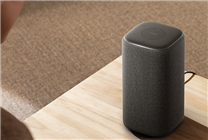
Furthermore, the introduction of products like Xiaomi’s "Super Little Love" speaker has shown a strong impact, creating considerable interest and sales. The initial success of such innovations showcases how AI capabilities can dramatically influence consumer decisions and broaden the appeal of smart speakers.
Market Opportunities and Evolving Trends
Analysts in the field believe that the smart speaker market in China possesses immense potential, particularly with a focus on ecological scenarios such as smart home controls and extensive voice-activated functionalities. As manufacturers continue to enhance their product offerings, the effective competition between domestic and international brands is expected to intensify.
One of the prominent trends observed is the shift toward customized scenarios driven by AI technology, which can cater to specific needs such as companionship and caregiving. This direction indicates a meaningful evolution in how smart speakers are utilized in daily life, suggesting that future innovations will prioritize tailored user experiences.
Future Projections
Looking ahead, RUNTO projects that the omni-channel market sales of smart speakers in China will rise to 14.2 million units by 2025. This forecast underscores the ongoing transformation of the smart speaker landscape, propelled by growing consumer trust in AI-assisted technologies and the push for more personalized features.
The competitive environment in the sector remains vibrant, and as companies invest in research and development of large model integration, the gap between current offerings and future innovations will likely narrow.
Conclusion
The surge in smart speaker sales in China denotes a significant shift toward smarter, more connected living. While the current adoption of advanced AI models stands at 33%, there is an inspiring vision for the future, aiming for a more integrated and intelligent living environment. As the industry progresses, the focus will undoubtedly remain on harnessing technology to meet consumer demands for innovation and personalization.
This evolving landscape promises to redefine user interactions and open up exciting possibilities for the future of smart speakers in households across the country.