




The Challenges Facing Intel’s Foundry Business: Competitor vs. OEM Partner
- Intel’s blended role as both a competitor and OEM partner is impeding its foundry business growth.
- Calls for a structural separation of its foundry and product divisions are gaining traction.
- Strategies are being implemented to build client trust amid competition with leading industry players.
Intel’s foundry business has struggled to attract a significant customer base, largely due to its dual role as both a competitor and OEM partner. This observation comes from former Intel director David Yoffe, who illuminated the complexities involved in Intel’s current operational structure.
Under the leadership of CEO Chen Liwu, Intel has seen some stabilization following the departure of former CEO Pat Gelsinger. While there are increasing calls from industry observers to separate Intel’s foundry business from its traditional product divisions, Chen maintains that the company can still enhance its semiconductor business performance within its existing framework.
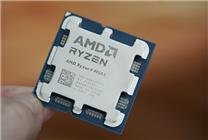
Industry interest has surged around Intel’s advanced 14A and 18A manufacturing processes. However, Yoffe emphasized the necessity for Intel to separate its product and OEM operations more clearly to build trust with potential foundry clients. Major players in the semiconductor industry, including Nvidia, AMD, and Qualcomm, are understandably hesitant to share core designs with a competitor that still has access to their sensitive technical information. Such concerns could severely restrict the volume of orders Intel may receive from these companies.
Yoffe advocates for a structural split between Intel’s foundry and product divisions to bolster its chances of becoming a successful player in the foundry market. Currently, both Nvidia and AMD are considering Intel foundry services as a viable alternative to TSMC, especially given TSMC’s limited production capacity and the growing emphasis on domestic manufacturing within the United States. However, lingering concerns regarding the potential "indirect transfer of technology" remain a significant barrier for customers looking to engage Intel for core product orders.
Intel appears to be actively addressing these issues. Vice President John Pitzer confirmed that the company is working towards greater operational separation by establishing an independent advisory board and moving toward creating an independent legal entity for its foundry business. Pitzer clarified that if the board of directors and CEO Chen Liwu see value in a structural split, Intel will act swiftly to implement it.
In summary, the future of Intel’s foundry business lies in fostering a clearer operational distinction between its competitive product offerings and its foundry services. By alleviating customer apprehensions about technology sharing and competing interests, the company may significantly improve its position in this vital sector.
In conclusion, the ongoing evaluation of Intel’s structural framework and its foundry operations must address these internal complexities. To regain customer confidence and position itself as a competitive option in the foundry market, Intel may need to heed calls for a clearer separation of its business divisions. The path forward will require not only strategic planning but also a commitment to fostering trust and transparency within the business ecosystem.