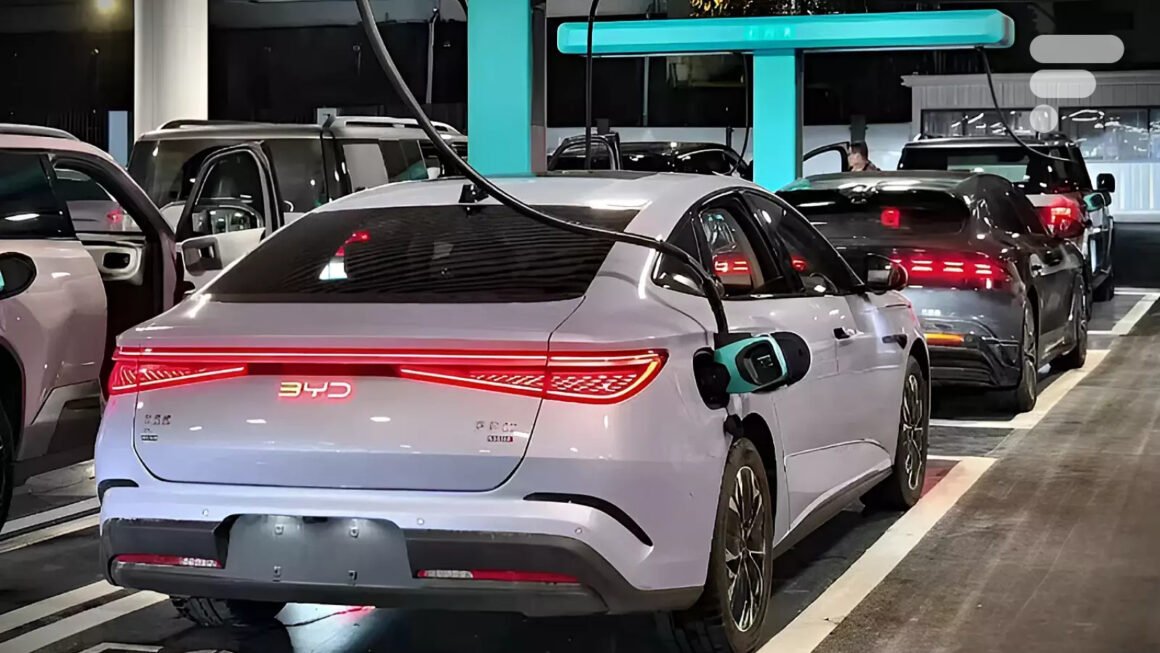

BYD has recently tested a 1,500 kW charging system in Shenzhen, significantly shifting the landscape of rapid EV charging. This remarkable charging power enables electric vehicles (EVs) to achieve a 10-minute recharge timeframe, a performance benchmark that is particularly noteworthy given that most existing systems, including Tesla’s Supercharger V4, max out at 500 kW. This advancement could effectively redefine the time commitment required for charging EVs, making them more accessible for consumers who previously hesitated due to long charging experiences.
This development is critical for drivers of electric vehicles, especially those who prioritize quick charging capabilities. As EV adoption continues to grow globally, the ability to charge quickly could influence purchasing decisions, particularly for buyers who travel frequently or lack home charging options. While this specific BYD technology is currently being tested in China, its implications for the global market are significant, potentially making rapid charging a commonplace expectation in the future for electric vehicle technology.
In the current EV market context, BYD’s 1,500 kW charger is a substantial leap above most available charging solutions. Tesla’s Supercharger V4 is a leading competitor, providing charging speeds of up to 500 kW, while many public stations generally offer between 250 kW and 600 kW. Consider other options as well: brands like Porsche and recent entries like Zeekr are also developing competitive charging technologies, but none currently match the potential of BYD’s latest offering. For consumers looking for rapid recharging, this new development may tilt their considerations toward BYD vehicles and their compatible charging solutions.
Ultimately, buyers who prioritize rapid charging in their electric vehicles should keep an eye on BYD’s developments as they unfold. This charging technology will likely benefit those already committed to an EV lifestyle and seeking out options that minimize downtime. However, a potential drawback for some could be the lack of global availability and solid rollout plans, which might lead consumers to consider established brands with proven infrastructures and support services. If rapid charging isn’t a top priority, alternatives may offer a more reliable overall experience for everyday drivers.
Source:
www.frandroid.com