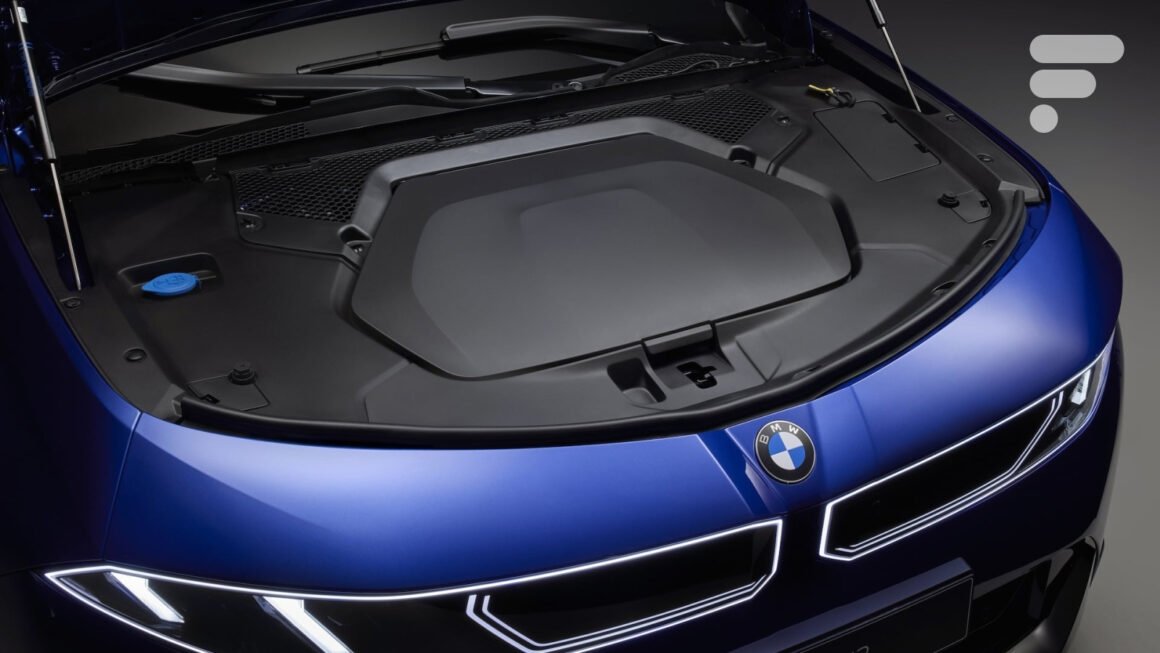

BMW has recently announced its new electric vehicle, the i3, boasting an impressive range of up to 900 km. This development highlights BMW’s commitment to purely electric mobility, as the company has stated it will not be reintroducing the range-extender gasoline engine that had been part of its earlier models, such as the original BMW i3.
This announcement is particularly relevant to consumers interested in electric vehicles (EVs) who are concerned about range anxiety. With increasing advancements in battery technology, the new i3 positions itself as a viable option for those needing a vehicle capable of long distances without frequent charging stops. For buyers looking for an EV that combines performance and convenience, the i3 may be an appealing choice.
In terms of market context, the i3’s price is anticipated to be around $55,000, which places it within an increasingly competitive segment. Alternatives include the Tesla Model 3, which offers a similar range but at a starting price of approximately $40,000, and the Ford Mustang Mach-E, starting around $44,000. Each of these vehicles has its strengths; for instance, the Model 3 is known for its cutting-edge technology and extensive charging network, while the Mach-E offers a more traditional SUV experience with plenty of cargo space.
Ultimately, the BMW i3 should appeal to buyers who prioritize luxury and brand reputation in the EV segment. However, it may not be the best choice for cost-conscious consumers or those who do not require an extensive range, as there are more affordable options available that cover most daily driving needs. Moreover, those living in areas with limited fast-charging infrastructure may want to consider a hybrid model or a vehicle with a more extensive support network. Therefore, the i3 may not be necessary for everyone, especially if a more economical solution meets their requirements.
Source:
www.frandroid.com