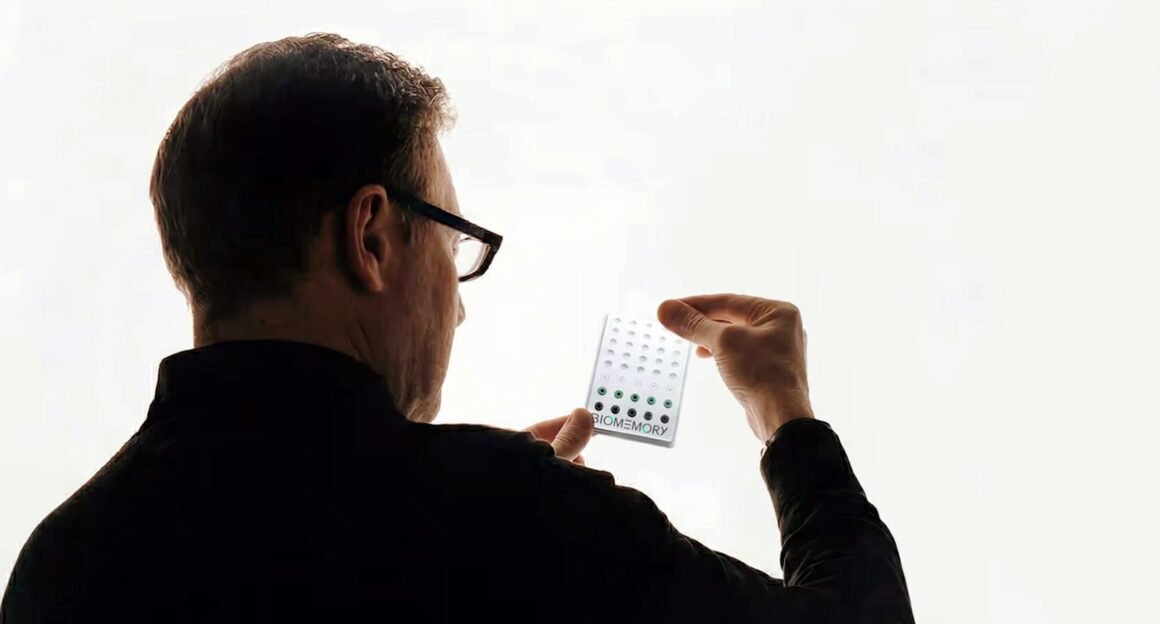

Biomemory, a French startup specializing in DNA data storage, has recently acquired the assets of Catalog Technologies, another company in the same field. This acquisition enhances Biomemory’s ability to develop advanced DNA-based storage systems, which can potentially retain data for 50 to 150 years. With a focus on industrialization, Biomemory plans to introduce its first end-to-end commercial DNA data storage solutions by the end of 2026.
This development is particularly significant for enterprises and data centers looking for long-term, high-density storage solutions. As data continues to grow at an unprecedented rate, traditional storage methods may become insufficient. Biomemory aims to make DNA storage practical and accessible for data centers worldwide, targeting a broader market as DNA storage technology matures. However, while they foresee deployment in 2030 for larger systems, initial solutions will be available in a hybrid-cloud format, catering to immediate market demands.
In terms of market positioning, Biomemory’s DNA storage technology is still in its formative stages, and there are various alternatives in the current market, ranging from traditional hard drives to SSDs, and even flash storage. Prices for standard SSDs can range from $50 to $300 for several terabytes, while more advanced solutions like tape storage or larger, enterprise-grade solid-state drives can go up to several thousand dollars. Biomemory’s proposed solutions will need to be competitive in terms of cost per terabyte, projected to drop to just a few dollars as production scales up. As of now, major tech companies, including Microsoft, have explored DNA storage but opted for different approaches for their current needs.
Considering Biomemory’s product offering, it could be of great interest to organizations anticipating a future demand for vast amounts of reliable and compact storage. However, businesses needing immediate, high-speed access to large datasets may find current DNA technology unsuitable, given that it has yet to match the operational efficiency of existing solutions. If you require immediate access to performance-oriented traditional storage, it might be prudent to explore alternatives such as high-capacity SSDs or cloud storage solutions currently available on the market.
Source:
www.techradar.com