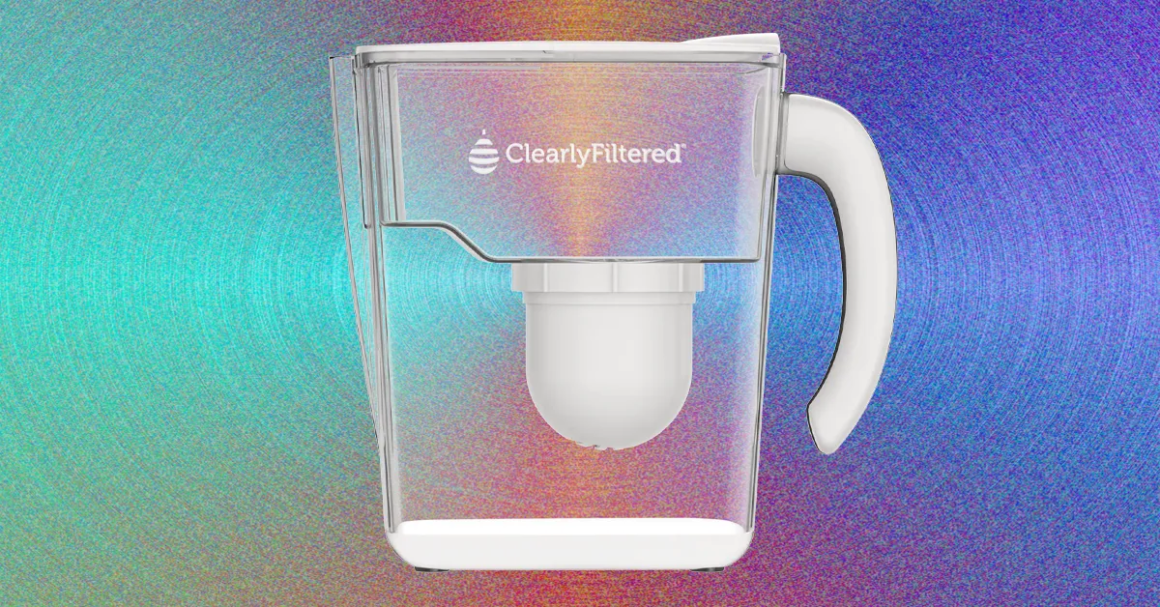

Concerns over drinking water quality have elevated the interest in water filtration systems. Recent announcements indicate that approximately 10% of U.S. water systems may have unsafe levels of PFAS, commonly known as “forever chemicals.” While the majority of U.S. water supplies comply with federal safety standards, the potential for contaminants like heavy metals and pharmaceuticals in tap water is prompting many consumers to consider their filtration options.
This trend is particularly relevant for homeowners and health-conscious consumers who are keen on ensuring their water quality, especially in areas with aging infrastructure or known contamination issues. As local systems may not meet new federal PFAS maximums until 2031, investing in a reliable water filter can provide peace of mind. Options range from whole-home systems to portable countertop units, allowing consumers to choose based on their specific needs and living situations.
The market for water filters is diverse, with options varying widely in effectiveness, certifications, and price points. Entry-level models, typically around $30 to $50, often focus on aesthetic improvements, such as removing chlorine taste or odors. Mid-range filters, costing about $100 to $300, may offer certifications like NSF/ANSI 53, which validates their ability to reduce harmful contaminants including lead and PFAS. Premium systems, priced at $400 and above, usually feature advanced technologies like reverse osmosis, providing extensive filtration capabilities. For example, while basic models like pitcher filters perform adequately for everyday use, they may not remove all harmful compounds, making them less suitable for those with specific health concerns.
Ultimately, the choice of water filter will depend on individual needs. Health-conscious individuals or families in areas with known contaminants should consider investing in a reliable system that meets NSF/ANSI standards for both aesthetic and health-related effects. However, those on a budget or living in areas with generally safe tap water might find simpler solutions sufficient for improving taste and clarity. Coupled with the potential for unreliable claims in the market, consumers should carefully validate the certifications before making a purchase. If you’re looking for a temporary or lower-cost option, a pitcher filter could suffice for light use; however, it may not be the most effective long-term solution.
Source:
www.wired.com