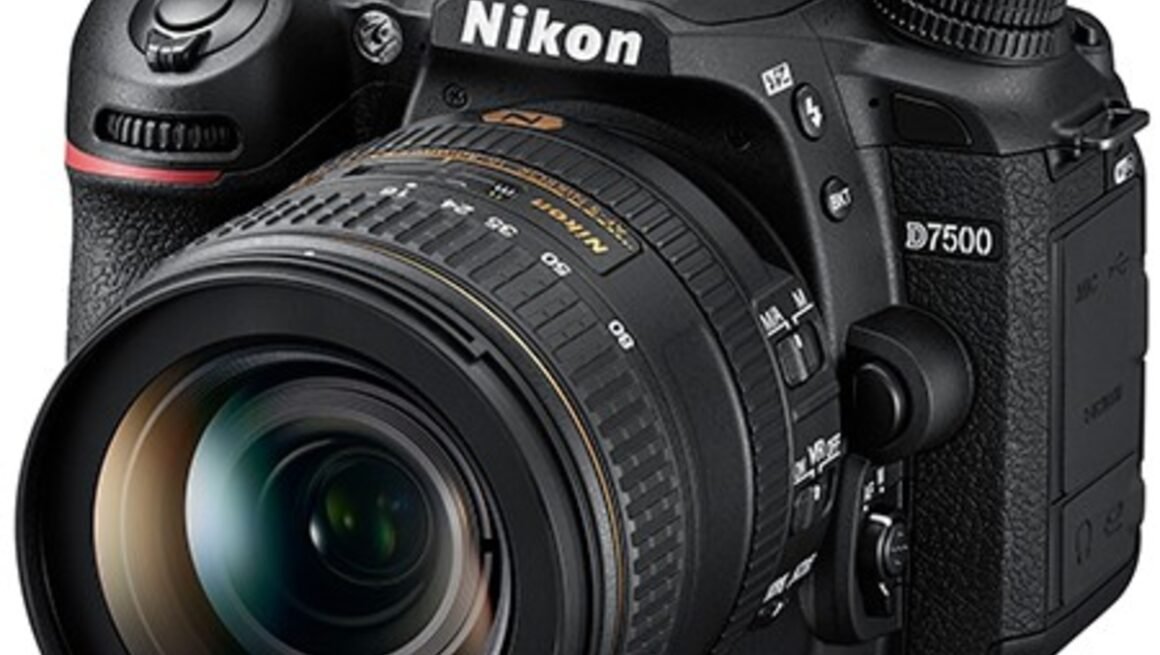

The Nikon D7500 is positioned as a bridge between the earlier D7200 and the more advanced D500. With a price typically around $650, it introduces enhancements that appeal to enthusiastic photographers while maintaining a level of simplicity for those transitioning from entry-level models. This camera features a 20.9 MP sensor, an improved autofocus system, and capabilities such as 4K video recording, giving it competitive standing in the APS-C DSLR market.
This model matters significantly for potential buyers looking to upgrade to a more capable camera without diving into the higher price brackets. It strikes a balance by providing professional-level features at a reasonable price, making it accessible to both hobbyists and semi-professionals. The availability of features like Wi-Fi and Bluetooth connectivity also adds to its modern appeal, facilitating easy sharing of images, which can be particularly impactful for content creators and social media users.
In the market, the D7500 stands at a competitive price point compared to its peers. It competes well with options like the Canon EOS 90D ($1,200), which offers higher resolution and dual card slots for added storage flexibility. However, the D7500 excels in speed with its 7.5 frames per second shooting rate, making it a solid option for action photography. Conversely, the Fuji X-T30 ($900) offers excellent image quality and compactness, appealing to those looking for a lighter option without sacrificing performance.
This camera is especially suited for photographers who require a reliable, all-around tool for various shooting conditions and styles. The ergonomic design and responsive controls enhance the shooting experience for those on the go. However, prospective buyers should consider the D7500’s limitation of a single SD card slot, which may not meet the needs of those who often shoot in RAW format or lengthy events. Additionally, enthusiasts focused primarily on advanced video capabilities might find it lacking compared to more dedicated video-focused models.
Source:
www.lesnumeriques.com