


Xiaomi Pad 8: An Affordable Alternative to Traditional Tablets
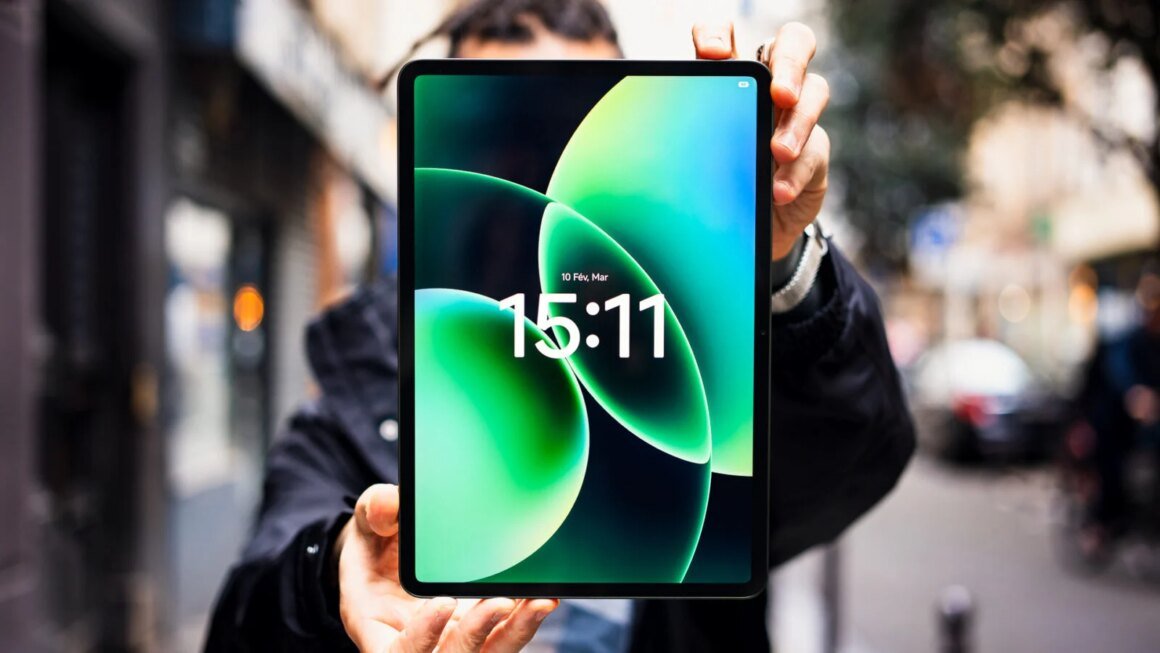
The Xiaomi Pad 8 has launched with a clear ambition: to be a cost-effective alternative to traditional tablets like the iPad and even serve as a lightweight replacement for entry-level laptops. Priced starting at approximately $539 for the 128GB model and $589 for the 256GB variant, it comes equipped with notable features such as a vivid 11.2-inch LCD display, a Snapdragon 8S Gen 4 processor, and an impressive 9,200 mAh battery for extended use.
This device is especially relevant for individuals seeking a versatile tool for both productivity and entertainment. Given its aspirations to compete with more expensive tablets, the Xiaomi Pad 8 has the potential to attract students, professionals, or anyone needing a portable device that supports multitasking. Its constructive design, coupled with accessories like keyboards and styluses, makes it adaptable for a variety of tasks, whether working on a presentation or streaming media.
In terms of market positioning, the Xiaomi Pad 8 sits favorably when compared to other popular devices like the Apple iPad and Samsung Galaxy Tab series. While the iPad remains the gold standard for many, it typically comes with a higher price tag. The entry-level iPad starts at roughly $329, but lacks some of the advanced specs found in the Pad 8, such as the higher refresh rate, making the Xiaomi option enticing in terms of value. Meanwhile, the Samsung Galaxy Tab S10 Lite is another contender, priced around $400, offering a solid build and performance but without the same level of hardware upgrades.
The Xiaomi Pad 8 could be an attractive option for those who prioritize performance on a budget. However, potential buyers should weigh its capabilities against the absence of 4G/5G connectivity, which may deter individuals needing constant internet access without relying solely on Wi-Fi. Furthermore, while its accessories enhance functionality, they do come at additional costs, which could add to the overall expense. For those who require seamless connectivity and are willing to pay more for premium features, alternatives like the iPad may be more suitable.
Source:
www.01net.com