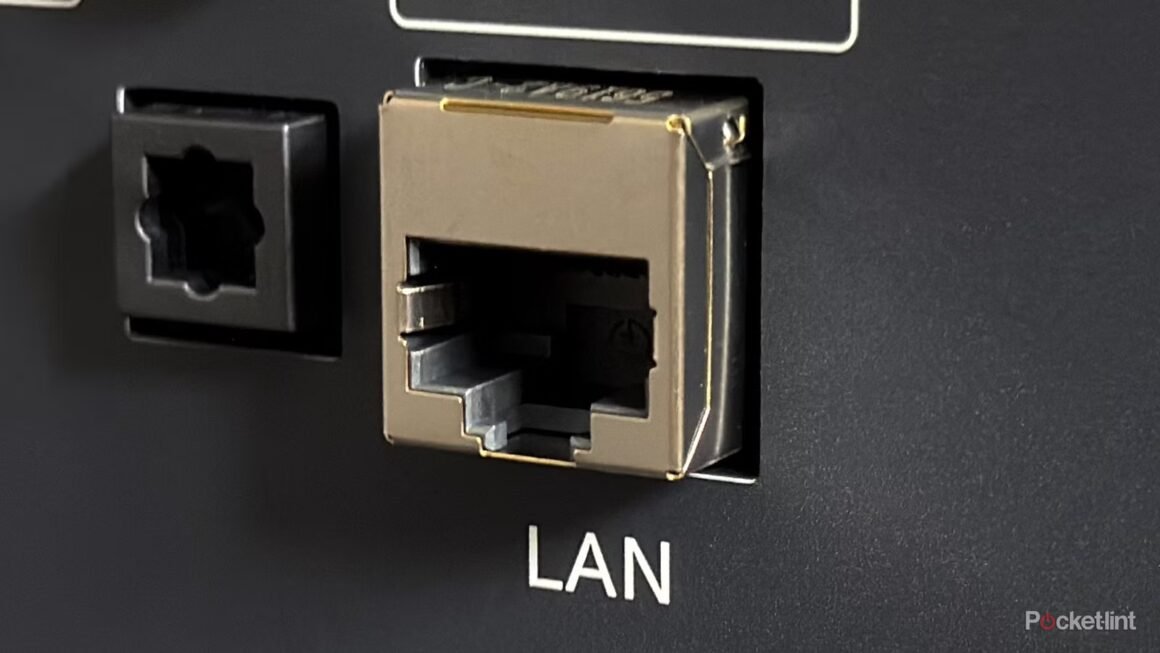

Using Ethernet connections may seem like the best choice for your devices, but recent insights suggest that it is not always the straightforward solution it appears to be. Many devices, such as smart TVs and streaming devices, come equipped with Ethernet ports, yet the actual benefits of using a wired connection can vary significantly based on the speed capabilities of these ports.
This is especially relevant for those currently considering upgrades to their home entertainment systems or gaming setups. If you’re more reliant on devices that have slower Ethernet options—such as many smart TVs—you might find that Wi-Fi often matches or even exceeds wired performance. Conversely, gaming consoles or PCs with Gigabit Ethernet support truly shine when connected directly to a network.
Market choices reflect this disparity. For example, high-end gaming consoles like the PlayStation 5 and Xbox Series X offer Gigabit Ethernet capabilities, which can make wired connections beneficial for downloading games or streaming content without lag. Meanwhile, devices like certain models of the Roku Ultra or Fire TV Cube generally feature slower 10/100 Ethernet ports, making Wi-Fi a more viable option for streaming. Prices vary widely, too, with entry-level streaming devices costing around $30 and premium gaming consoles reaching $500 or more, highlighting the need for buyers to assess what their specific needs are before investing.
Ultimately, the decision to use Ethernet or stick with Wi-Fi should hinge on your particular devices and use cases. If you own a PC or gaming console with high-speed Ethernet port capabilities, a wired connection is likely advantageous. For those using standard smart TVs or lower-tier streaming devices, however, sticking with Wi-Fi might be the more sensible route. One caveat to consider: if your setup leans towards devices limited to 100 Mbps Ethernet, investing in additional cables and switches might not deliver a noticeable upgrade.
Source:
www.pocket-lint.com