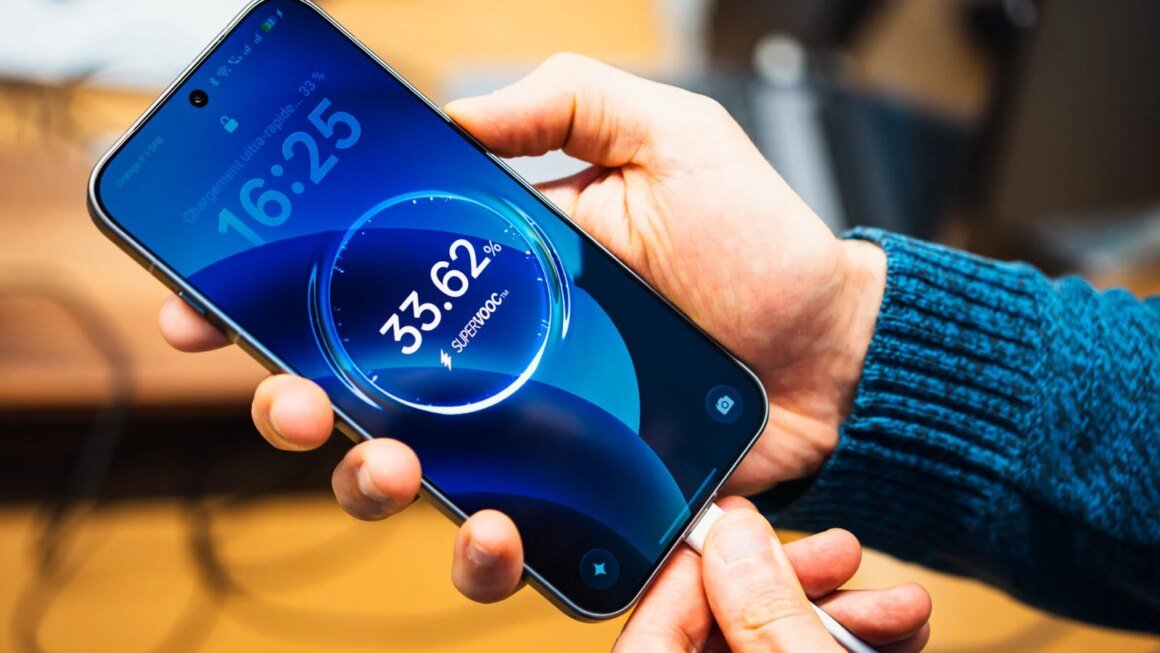

Recent developments have introduced silicon-carbon batteries in smartphones, promising improved battery life. Testing by various labs has noted remarkable autonomy, with some models reportedly lasting up to 31 hours. However, these impressive figures don’t always correlate with effective energy management by manufacturers, raising concerns about true efficiency.
This issue is particularly relevant for consumers actively looking to make purchase decisions in the smartphone market. As more models integrate silicon-carbon technology, users should weigh these enhancements against other factors like battery efficiency and the actual longevity of the device under real-world conditions. Not every high-capacity battery translates to better performance, which could impact your investment in a smartphone.
In the current landscape, flagship smartphones predominantly feature batteries with capacities around 5,000 mAh or higher. For example, premium devices like the iPhone 17 Pro Max and Samsung Galaxy S26 Ultra excel with efficiency ratings of approximately 26.4 and 27.9 minutes for every 100 mAh, respectively. These phones are priced around $1,500 each, positioning them among the best but not the only options. Interestingly, alternatives such as the OnePlus 15 and Redmagic 11 Pro offer larger batteries—7,300 mAh and 7,500 mAh, yet don’t match the efficiency of the top contenders, illustrating that size alone doesn’t guarantee superior performance.
Ultimately, consumers seeking a new smartphone should carefully assess how needing extra battery life aligns with their usage patterns. Those who frequently rely on power-hungry applications might prefer models that optimize battery resources effectively, such as the iPhone or Samsung. On the other hand, users who place higher importance on raw battery capacity over management might consider alternatives like the Redmagic 11 Pro or OnePlus 15, even with their slightly diminished efficiency. However, it’s crucial to understand that merely having a high-capacity battery does not ensure an optimal user experience; thus, it’s wise for buyers to prioritize effective energy management in their decision-making.
Source:
www.01net.com