



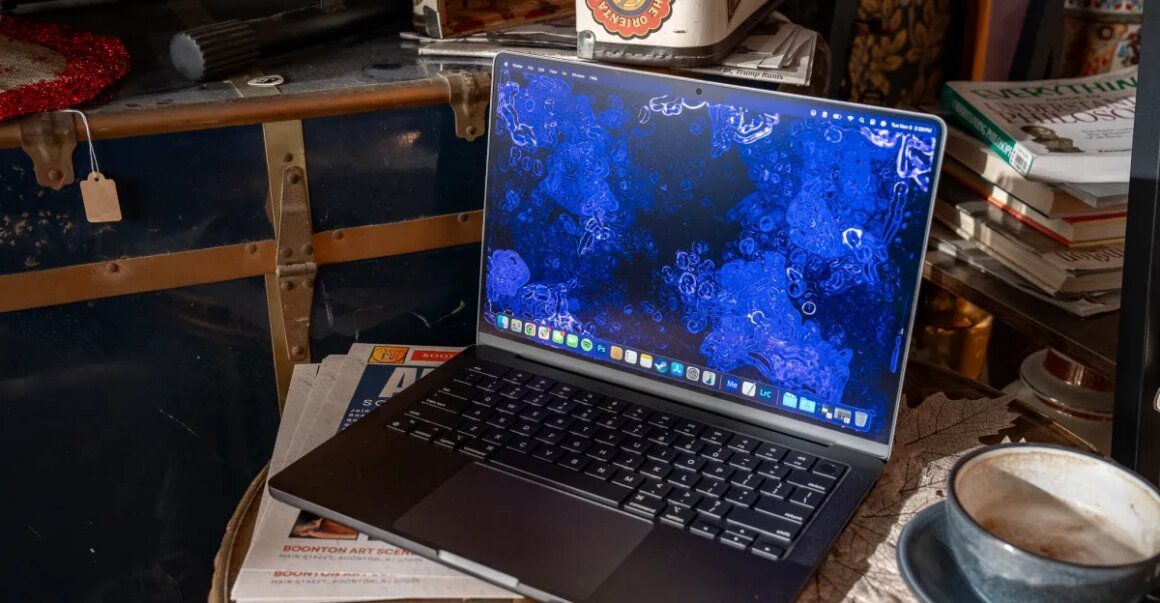

Apple’s upcoming OLED touchscreen MacBook Pros, slated for release later this fall, will feature a smaller version of the Dynamic Island interface that debuted on the iPhone 14 Pro. The new MacBook models will retain the existing 14-inch and 16-inch screen sizes while introducing an updated user interface designed for both touch and traditional point-and-click usage.
This development matters significantly for those looking to purchase a new laptop in today’s market. Currently, the absence of touchscreens in Apple’s Mac lineup has been a drawback for users who appreciate the versatility offered by touch interfaces. The introduction of a touch-friendly design may influence potential buyers who need the flexibility of touchscreen capabilities, especially in creative fields like graphic design and video editing. Given its anticipated global availability, this product could shape the buying decisions of users who have hesitated to invest in MacBooks due to ergonomic and functional concerns around touchscreen capabilities.
In terms of market context, the new MacBook Pros will compete with a variety of options across different price points. For instance, Dell’s XPS 15 offers touch functionality and high-resolution displays starting at around $1,299, appealing to professionals who require robust performance. On the other hand, Microsoft’s Surface Laptop Studio, starting at roughly $1,599, offers a hybrid design aimed specifically at creative professionals with its responsive touchscreen and pen support. Each of these alternatives provides distinct advantages, depending on the user’s needs; the XPS 15 suits users looking for a traditional laptop experience with touchscreen features, while the Surface Laptop is ideal for artists and designers prioritizing a fluid interactive experience.
Ultimately, prospective buyers should consider the new MacBook Pro if they value deeper integration of touch functionality alongside a familiar macOS experience. However, those who primarily need standard productivity features might not find the investment justified, especially if they can fulfill their needs with established alternatives like the XPS 15 or Surface Laptop. Additionally, Apple’s historical reluctance to embrace touchscreen Macs could raise concerns regarding long-term support for this feature in their ecosystem.
Source:
www.theverge.com