






Summary of Key Findings
- Market Decline: China’s smartphone market saw a significant 23% drop in January.
- Apple’s Growth: Apple emerged as the sole major brand with an 8% year-on-year sales growth, securing nearly 20% market share.
- Impending Promotions: Anticipated promotions during the Lunar New Year could alter the competitive landscape among domestic brands.
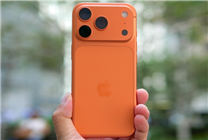
In January, the smartphone market in China experienced a considerable decline, with a reported decrease of 23% year-on-year according to recent data. Surprisingly, amidst this downturn, Apple stood out as the only leading brand to record growth, achieving an impressive 8% increase in sales. This surge allowed Apple to bolster its market share to approximately 20%, placing it in a competitive tie with Huawei for the leading position.
While Apple thrived, other prominent brands—including Huawei, vivo, OPPO, Xiaomi, and Honor—saw varying degrees of sales declines. The downturn can be attributed to several factors: reduced subsidies, changing consumer attitudes, and the anticipation of the Lunar New Year, historically a key period for consumer spending.
Counterpoint Research highlighted Apple’s notable performance, emphasizing that January marked its highest market share for that month in five years. The introduction of subsidies for the base version of the iPhone 17 has enhanced its cost-effectiveness, resulting in a monthly sales increase of 9%. Following the launch of the iPhone 17 series in September 2025, sales of Apple’s flagship models have demonstrated robust growth, a trend that persists into early 2026.
In its recent financial report, Apple disclosed that its revenue in Greater China reached $25.5 billion for the first fiscal quarter ending December 27, 2025. This figure represents a notable 38% increase year-on-year, with iPhone units setting a record in the region.
Looking forward, the Lunar New Year period is expected to play a critical role in consumer buying behavior within the mobile phone market. Currently, domestic brands have yet to initiate major promotional campaigns. However, as various brands gear up for promotional activities during the Spring Festival, the market dynamics are likely to undergo significant changes.
This unique situation presents a fascinating case study in brand resilience and consumer trends in a competitive landscape, particularly for a giant like Apple which is successfully navigating market challenges while its competitors grapple with broader economic factors.
Conclusion
The landscape of the smartphone market in China is one of contrasts—while overall sales are on a downturn, Apple has leveraged its strategic pricing and product positioning to carve out a niche of growth. As the Spring Festival approaches and promotional activities ramp up, the market may see shifts in consumer preferences and brand performances. Brands will need to innovate continuously to capture the evolving landscape shaped by technological advancements and changing consumer needs.


