
The Launch of Samsung’s 2nm Chip: Revolutionizing Mobile Technology
Key Highlights:
- Samsung unveils the world’s first 2nm chip, the Exynos 2600, setting a new industry benchmark.
- The cost of the A20 chip has surged to approximately $280, marking a significant increase of 80% from its predecessor.
- The adoption of new packaging and architecture technologies is driving up production costs, reshaping the mobile chip landscape.
On January 3, Samsung marked a groundbreaking moment in the technology sector by launching the Exynos 2600, the world’s first 2nm chip. This remarkable advancement is expected not only to enhance the performance of mobile devices but also to shift the dynamics of the semiconductor market, with competitors like Qualcomm, MediaTek, and Apple preparing to introduce their own 2nm chips in forthcoming flagship models.
Rising Production Costs
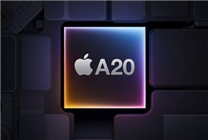
Recent industry estimates indicate that the cost of the new A20 chip has escalated to an unprecedented $280 per unit, equivalent to around 1,958 yuan. This represents an 80% increase compared to the previous generation A19 chip, surpassing expectations and setting a new record for the most expensive mobile phone processor to date.
The steep price of the A20 chip underscores the significant investments required for cutting-edge manufacturing techniques and materials. As semiconductor companies race to keep pace with advancements, the implications for consumers could include higher-priced devices across the board.
Innovative Technology Behind the A20 Chip
The A20 chip is produced using TSMC’s sophisticated 2nm process, incorporating all-around gate (GAA) nanosheet transistor technology for the first time. This innovative approach allows the transistor gate to comprehensively cover the conductive channel, effectively reducing leakage and enhancing power consumption efficiency. Additionally, the GAA architecture increases chip logic density by approximately 1.2 times, significantly boosting energy efficiency and AI computational capabilities.
Challenges in Production
Despite these technological advancements, the production yield of the initial nanosheet architecture remains fragile. Implementing such advanced technology necessitates new materials and high-precision manufacturing methods that contribute to increased production costs. Of particular note is TSMC’s use of advanced metal interlayer capacitors, a feature designed to enhance efficiency but which also elevates overall expenses.
Transition to Advanced Packaging Solutions
In a noteworthy shift, the A20 chip moves away from Apple’s previous InFO packaging solution to adopt WMCM packaging technology. This new methodology integrates independent chips—such as the CPU, GPU, and neural network engine—into a single package. This design not only facilitates independent power supply for each module but also enhances configurability of core combinations, leading to improved overall performance and power consumption management.
However, the development and implementation of such advanced packaging technologies require substantial investment, which further contributes to the rising costs associated with the A20 chip. This shift represents a broader trend in the industry, where enhanced performance and efficiency are often counterbalanced by increased production expenditures.
Market Implications
The launch of Samsung’s Exynos 2600 and the corresponding rise in chip prices signal a transformative phase for the mobile technology sector. As major players like Qualcomm and MediaTek prepare to introduce their own 2nm chips, consumers should anticipate not only enhanced performance but also a shift in pricing strategies for flagship devices.
High production costs could lead to elevated retail prices, thereby impacting consumer options in a market already grappling with supply chain challenges. Nonetheless, the adoption of advanced technologies holds the potential for a more efficient and capable mobile ecosystem in the future.
Conclusion
Samsung’s unveiling of the Exynos 2600 showcases not just a technological milestone but also highlights the complexities of modern chip production. The increasing costs associated with cutting-edge technology, while initially burdensome, may ultimately pave the way for substantial improvements in device performance and efficiency.
As industry leaders navigate this evolving landscape, consumers will need to stay informed about how these developments impact both pricing and functionality in their devices. The future of mobile technology is indeed promising, albeit at a more considerable investment.