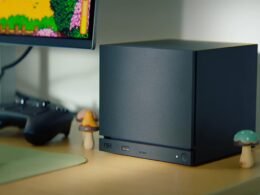

AMD’s new Agentic AI technology is poised to transform traditional PCs into autonomous task-managed systems. With the capability to execute multiple tasks in parallel, these computers aim to reduce reliance on human input for daily work. This evolution brings AI agents that can manage workflows without constant oversight, allowing professionals to wake up to completed projects and urgent communications already addressed.
This development is significant for users who seek efficiency in their workflows and manage sensitive data. The integration of persistent local AI means sensitive tasks can be handled without the need for cloud computing, ensuring better privacy and control. For business professionals and creatives who often juggle numerous responsibilities, the ability to delegate tasks to AI could streamline operations and enhance productivity globally.
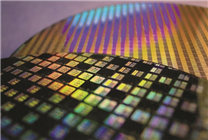
In terms of market alternatives, the introduction of AMD’s Ryzen AI Max+ processors signifies a significant investment in high-performance components tailored for persistent AI applications. Competitors like Intel and Apple’s M1 chip offer capable processors, but they often operate under a different paradigm. For instance, while Intel chips focus on traditional computing power, Apple’s M1 integrates machine learning without the same level of autonomous multitasking as AMD’s proposition. Price-wise, systems utilizing Ryzen processors may offer varied cost options, but they are generally positioned at the mid to upper tiers, reflecting the advanced technology at play.
Consider this innovation if you’re a professional seeking to optimize your workflow, especially if you handle sensitive projects. However, those who do not require constant task management or who are satisfied with the current capabilities of standard PCs might find little reason to upgrade. Additionally, users preferring a system with proven reliability and a well-stocked software ecosystem may want to explore existing computers instead of jumping into the evolving landscape of Agentic AI technology.
Source:
www.techradar.com