
AMD and Intel Forge Key Partnerships with Samsung for Advanced Chip Production
Summary:
- AMD is set to collaborate with Samsung to utilize its cutting-edge 2nm process for new chip generation, expected to generate substantial orders.
- Intel is outsourcing its PCH chipset production to Samsung’s 8nm process, optimizing costs while focusing on R&D of advanced technologies.
- The transition to 8nm promises smaller chip sizes and reduced heat output, improving performance for PC users.
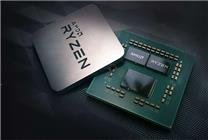
In a significant development within the semiconductor industry, AMD is reportedly on the verge of finalizing a cooperation agreement with Samsung. Expected to be signed as soon as January next year, this partnership will leverage Samsung’s innovative 2nm process technology, referred to as SF2P, to manufacture a new generation of chips. This collaboration is anticipated to bring billions of dollars in orders to Samsung, underscoring the increasing importance of advanced manufacturing capabilities in today’s tech landscape.
On the other hand, Intel is also in discussions with Samsung to explore chip foundry cooperation. However, Intel’s route differs as the company boasts its own advanced 18A process, alleviating the need for Samsung’s 2nm process. Instead, Intel focuses on more matured technologies, specifically Samsung’s 5nm and 8nm processes. A pivotal decision made by Intel involves outsourcing the PCH (Platform Controller Hub) chipset production to Samsung’s 8nm process, illustrating a strategic shift aimed at maximizing efficiency and minimizing operational costs.
The PCH chipsets, which play a crucial role in the functionality of the latest processors, will support Intel’s upcoming Nova Lake processors, scheduled for mass production by late 2026. Currently, Intel’s PCH chips are manufactured using Samsung’s 14nm process at a facility in the U.S. However, the transition to the 8nm process necessitates production shifts to Samsung’s Hwaseong factory in South Korea. This decision is primarily driven by the stable production capacity of the Hwaseong facility, which can produce between 30,000 to 40,000 wafers each month, making it a strategic choice for Intel.
By outsourcing the production of PCH chipsets, Intel can concentrate its resources on research and development, particularly in advanced processing technologies that can enhance performance and efficiency. Utilizing Samsung’s mature 8nm process, which has already proven its reliability in previous applications such as NVIDIA’s RTX 30 series GPUs, allows Intel to optimize costs without compromising quality.
The upgrade from 14nm to 8nm in the Nova Lake chipset design is expected to yield several advantages. Not only will the newer chipsets occupy a smaller footprint, but they will also generate considerably less heat. This reduction in heat output is crucial for PC enthusiasts who demand high-performance components capable of running complex applications without the risk of overheating. An effective heat dissipation mechanism is vital for maintaining system stability, especially during intense processing tasks.
Moreover, increased collaboration between AMD, Intel, and Samsung exemplifies the ongoing evolution within the semiconductor market, where innovation and strategic partnerships are key drivers of success. The shift towards advanced process technologies like 2nm and 8nm is set to redefine competitive dynamics, enabling companies to enhance their product offerings and solidify their positions in the market.
As these corporations ramp up their manufacturing capabilities, consumers can expect to witness significant advancements in chip performance, efficiency, and overall computer functionality. The implications of these partnerships extend beyond the manufacturers themselves; they stand to benefit gamers, content creators, and enterprises alike, all of whom rely on cutting-edge technology to meet their demanding requirements.
In conclusion, the strategic alliances formed between AMD, Intel, and Samsung signal a transformative period for chip fabrication, characterized by a collective commitment to innovation. By harnessing advanced processes and optimizing manufacturing capacities, these tech giants are positioning themselves to lead the market into a new era of efficient and powerful computing solutions.
With such developments underway, the semiconductor landscape is poised for exciting changes that will undoubtedly shape the future of technology. As these initiatives evolve, stakeholders across the board will be keenly observing the outcomes of these critical partnerships and their impact on the industry at large.