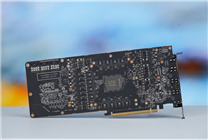

AMD’s FidelityFX Super Resolution (FSR) 4 technology has garnered considerable attention lately, particularly due to concerns surrounding its compatibility with older graphics cards. While AMD continuously advances its rendering technology, users of RX 7000 and 5000 series cards are left in the dark about whether these models will support FSR 4. This silence has led to growing frustration among players, many of whom expected improved performance and features from AMD’s ecosystem.
This matter is crucial for gamers, especially those considering upgrading their graphics setups. The potential lack of support for older cards can significantly affect purchasing decisions. Current users of AMD cards may feel discouraged from investing in new technologies if they perceive that their existing investments will not benefit. The uncertainty surrounding FSR 4’s release, projected to occur around March 19 based on leaked information, places even more emphasis on how AMD addresses this situation globally, impacting a wide range of consumers around the world.
In this context, it’s essential to compare FSR with other technologies like NVIDIA’s Deep Learning Super Sampling (DLSS). NVIDIA has shown a strong commitment to supporting even older graphics cards, particularly the RTX 20 series, which can utilize some features of DLSS 4. Pricing for compatible NVIDIA graphics cards typically starts around $300 for entry-level models, while higher-end options can go upwards of $1,500. On the other hand, AMD’s current line—especially those compatible with FSR—ranges from approximately $200 to over $1,000, offering various choices that cater to different budget needs. For buyers who prioritize longevity and ongoing support, NVIDIA might seem like a more reliable option.
Ultimately, those who currently own AMD cards, particularly older models, should think carefully before making any decisions about new purchases related to FSR 4. If you value receiving new features consistently and are wary of uncertainty, exploring NVIDIA options may be more beneficial for you. Conversely, if you’re keen on more recent AMD models or are committed to sticking with the AMD ecosystem despite the current frustrations, following their updates and considering potential future releases could still be worth your while.
Source:
news.mydrivers.com