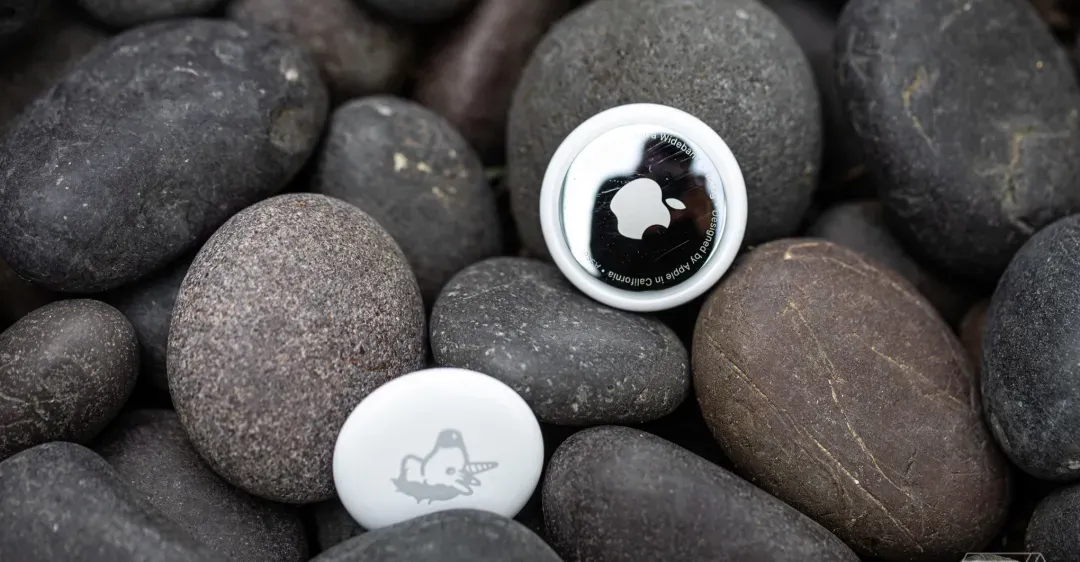

Apple’s original AirTag is currently available for $13.91, a notable reduction of $15.09 from its standard price. Despite the recent release of the second-generation AirTag in January, the first-generation model remains an effective item tracker, especially for those within the Apple ecosystem.
This deal matters for iPhone users who are looking for a reliable way to keep track of personal items. Thanks to the AirTag’s connection to Apple’s Find My network, it provides precise location tracking that surpasses traditional Bluetooth trackers. Users can benefit from features like on-screen directional guidance and the ability to share location access with multiple people, which is useful for families or travelers.
In terms of market context, the original AirTag is competitively priced compared to other tracking devices like Tile and Samsung Galaxy SmartTag. Tile offers models ranging from $25 to $35, providing varying features, but like most Bluetooth trackers, they don’t offer the same level of directional accuracy provided by the AirTag. The Samsung Galaxy SmartTag retails around $30 and primarily works within the Samsung ecosystem, making it less versatile for Apple users. Thus, while there are alternatives available, the AirTag’s integration with Apple devices is a unique selling point.
The AirTag is a suitable option for individuals heavily invested in Apple’s products who need effective item tracking. Its features and price point make it a practical choice for casual users looking to manage their belongings. However, someone who uses non-Apple devices or is seeking advanced features such as significantly longer range tracking might consider researching more versatile alternatives like Tile or Samsung Galaxy SmartTag, as they may offer better compatibility without being limited to a specific brand ecosystem.
Source:
www.theverge.com