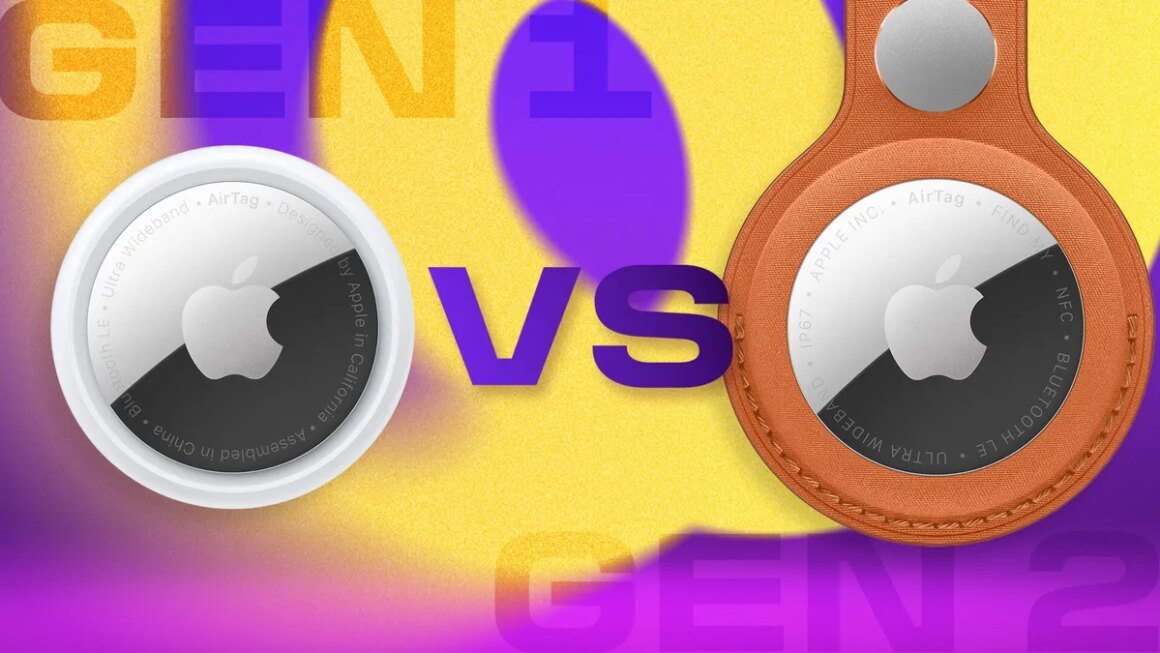

Apple has introduced the second generation of AirTags, maintaining a retail price of $29 each or $99 for a four-pack. While the new model retains a similar design to the original AirTags, it incorporates significant improvements in range, sound, and overall functionality.
This announcement matters for potential buyers looking for effective tracking solutions. The upgraded features in the second-generation AirTags, especially the enhanced Ultra Wideband chip and improved Bluetooth connectivity, may appeal to those who prioritize accuracy in locating items. Such upgrades can particularly benefit heavy users of the Find My app, including individuals frequently misplacing belongings or often on the move. With these enhancements, the product holds global appeal and can influence purchase decisions for anyone in need of a reliable tracking device.
In terms of market context, the AirTag’s pricing places it competently among other tracking devices. For instance, tile trackers are available starting around $25, while more robust options like Samsung’s Galaxy SmartTag are similarly priced. However, both alternatives may lack the precision and extended range of the second-generation AirTags, especially for Apple ecosystem users. The original AirTags are currently available at a lower price, around $70 for a pack of four, offering a more economical choice but without the updated features of the new model.
This second-generation AirTag is ideal for Apple users who value advancements in connectivity and seeking precise tracking capabilities. However, those not entrenched in the Apple ecosystem or looking to save may find that the original AirTags or competing products suit their needs more economically. Furthermore, if someone primarily requires basic tracking without advanced features, sticking with the original AirTags or cheaper alternatives may be a more sensible choice.
Source:
www.cnet.com