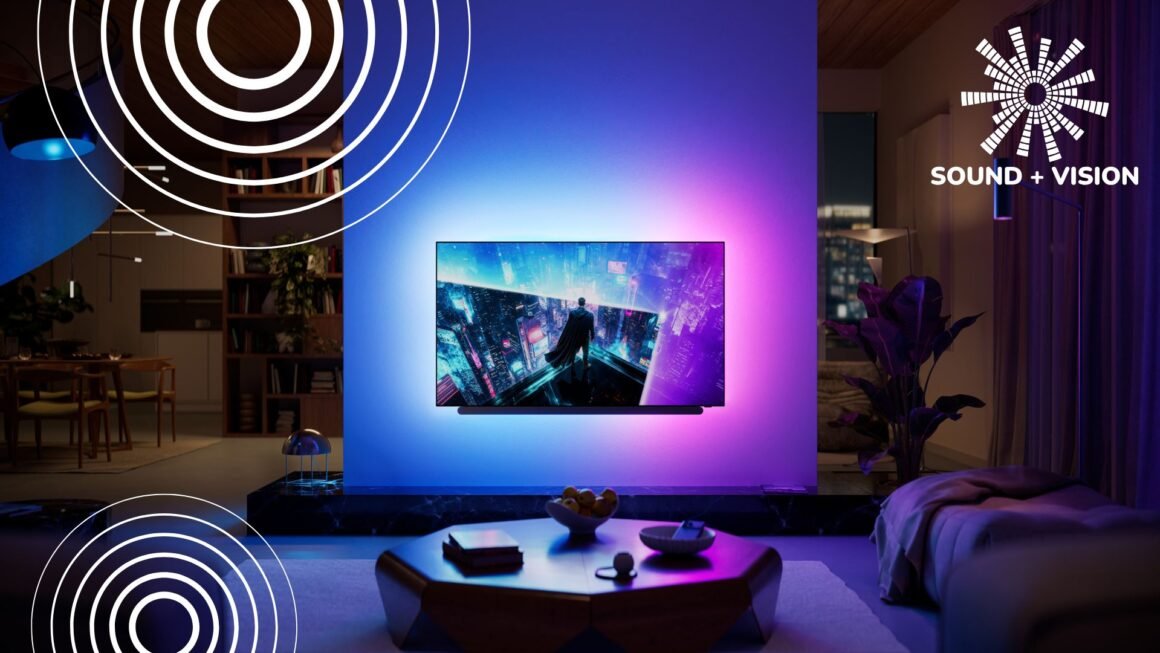

Philips has announced a shift to Titan OS for its 2026 TV models, moving away from Google TV.
This transition is significant for consumers currently evaluating smart TV options. While Google’s platform is known for its extensive app integration and features, Philips aims to provide a more tailored user experience with Titan OS. This change may appeal particularly to users in regions where Google TV has struggled, notably in the UK where issues with popular catch-up services have plagued its adoption.
In the smart TV market, Philips is positioning itself with the OLED910 model, which is likely to compete against brands like LG and Samsung. The Philips OLED910 is expected to hover around a price point of $1,200. In comparison, offerings like the LG C1 OLED at approximately $1,500 and the Samsung QN90A at about $1,300 provide their own strengths such as superior gaming features and panel quality. Each of these alternatives has merits; for instance, LG’s platform is well-regarded for user-friendliness and app access, while Samsung’s is praised for gaming enhancements. Consumers should weigh these factors based on their specific needs.
Ultimately, Philips’ move to Titan OS could provide a more customized experience for viewers, particularly those interested in personalized content like sports. However, it may not be suitable for everyone—especially those who value extensive app availability and smart home integration found in Google TV. For buyers who prioritize having established catch-up services readily available, it might be wise to consider alternatives like the LG C1 or Samsung QN90A, as these models have better established app support and user experiences.
Source:
www.trustedreviews.com