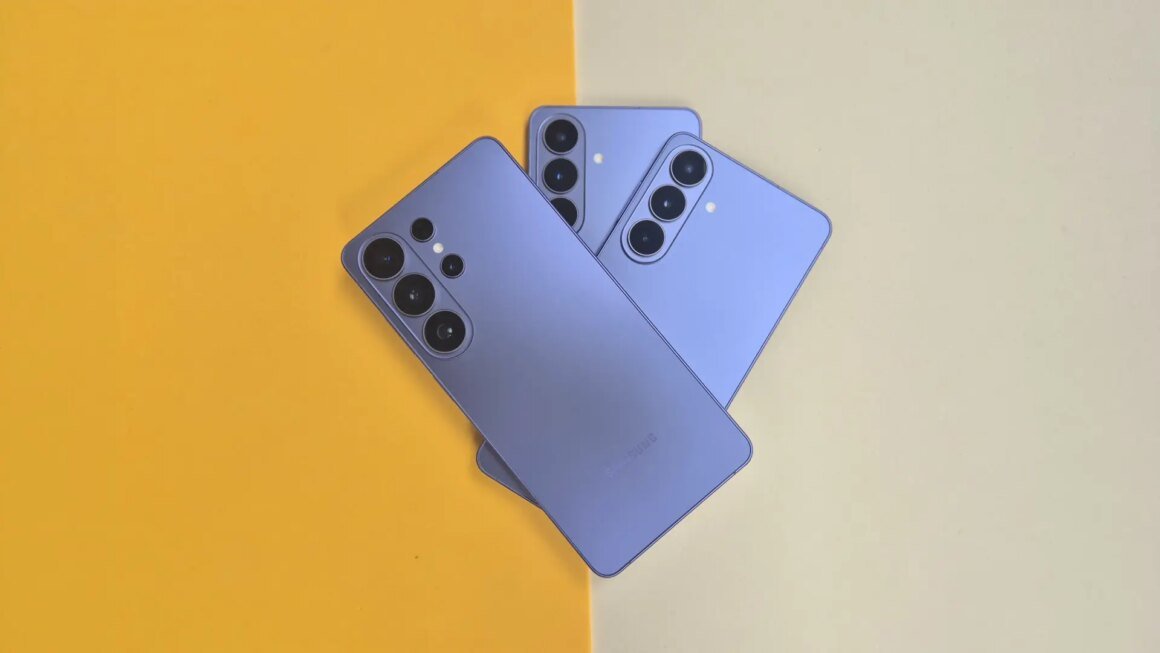

The Samsung Galaxy S26 series has officially launched, featuring the Galaxy S26, S26+, and the Galaxy S26 Ultra. Prices start at approximately $1,070 for the Galaxy S26, $1,350 for the S26+, and escalate to around $1,600 for the S26 Ultra. Each model caters to distinct user needs, with advancements primarily in processor capabilities, camera technology, and artificial intelligence features.
This release is particularly relevant for buyers seeking high-end smartphones that fit into various usage lifestyles. The Galaxy S26 series emphasizes versatility, making it suitable for everyday consumers, media enthusiasts, and power users alike. With global availability, potential buyers can evaluate how each model meets their personal or professional needs, further influenced by Samsung’s reputation for quality and reliability in the smartphone arena.
In terms of market positioning, the Galaxy S26 serves as a balanced option that fulfills the requirements of most users. The S26 boasts a 6.3-inch display, 4,300 mAh battery, and a competitive camera setup, while priced fairly for a flagship model. The S26+ offers slightly enhanced features like a larger 6.7-inch display and a 4,900 mAh battery but shares most specifications, leading to questions about its value at a higher price point. The S26 Ultra, however, aims at those who desire premium specifications, including a 200-megapixel camera and the unique S Pen functionality. Alternatives to consider include the Google Pixel 7 Pro and the OnePlus 11, which provide strong performance and camera capabilities at more accessible price points.
Ultimately, the Galaxy S26 is appealing for buyers wanting a reliable flagship smartphone without excessive features. Conversely, the S26 Ultra is ideal for users who want the full range of functionalities, albeit at a premium price. One reason to consider alternatives could be the size; the S26 Ultra may feel cumbersome for users who prefer compact devices. Buyers who don’t need extensive capabilities may find better value in the standard S26 or even mid-range devices that align more closely with their usage needs.
Source:
computerhoy.20minutos.es