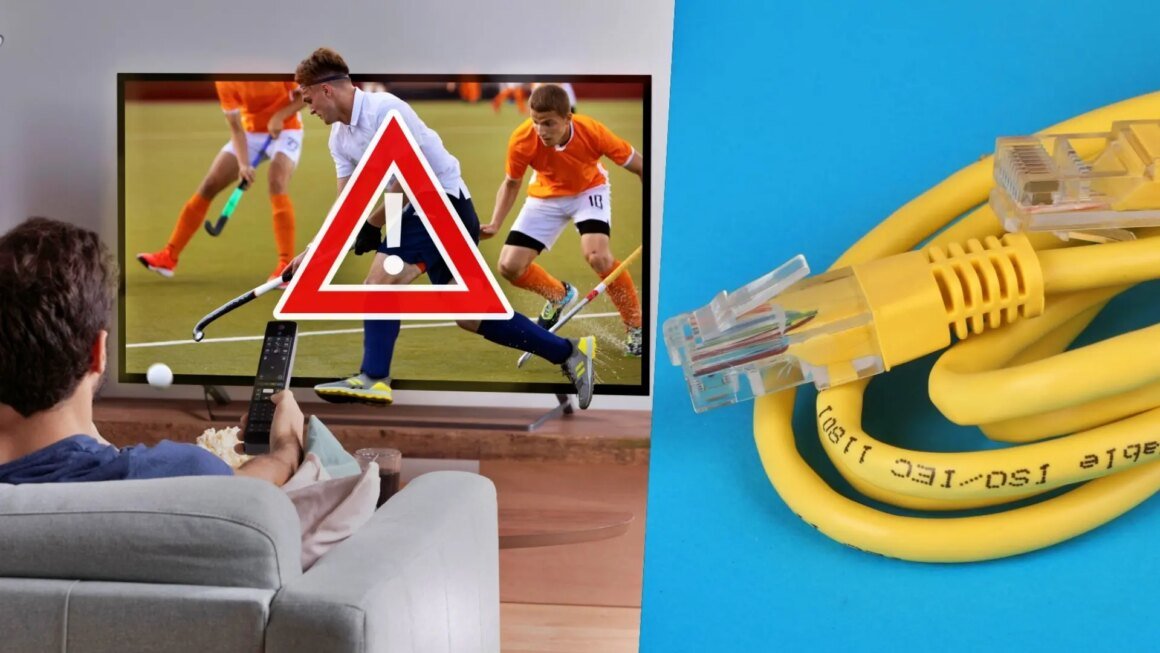

Deciding whether to connect your Smart TV via Ethernet or WiFi warrants careful consideration. While many assume Ethernet is always superior for streaming and connectivity, the reality is more nuanced. Most Smart TVs are capped at a maximum of 100 Mbps for both wired and wireless connections, regardless of your high-speed internet plan.
This distinction matters for anyone setting up a Smart TV to access streaming services like Netflix or Disney+. A common belief is that Ethernet guarantees the best speed and reliability, but this isn’t necessarily the case due to the inherent limitations of the TV’s hardware. Users with internet plans exceeding 100 Mbps may find themselves paying for more speed than their device can utilize, and this can influence your purchasing decisions, especially if you are investing in high-end TVs or elaborate home setups.
Smart TVs from top brands are generally available across various price points, with basic models starting around $300 and premium versions exceeding $1,000. When comparing options, consider alternatives such as the latest models from competitors offering better performance specifications or even those that can handle higher bandwidths. For users who need robust streaming capabilities, it’s crucial to assess not just the TV but also the entire network setup, which includes the router quality and additional devices. For instance, if cloud gaming or extensive 4K streaming is a priority, investing in a better router may yield greater benefits than simply focusing on a wired connection alone.
This situation presents a clear verdict: if you mainly use your TV for casual streaming or standard definition content, sticking with a good WiFi connection might suffice. Conversely, if you’re heavily invested in online gaming or high-definition streaming, you may want to consider both a solid router and a model that can better handle your bandwidth needs. However, if you frequently experience stable WiFi service, the dedicated Ethernet route may not provide as significant an advantage as expected, making it a point of contention for potential buyers.
Source:
computerhoy.20minutos.es