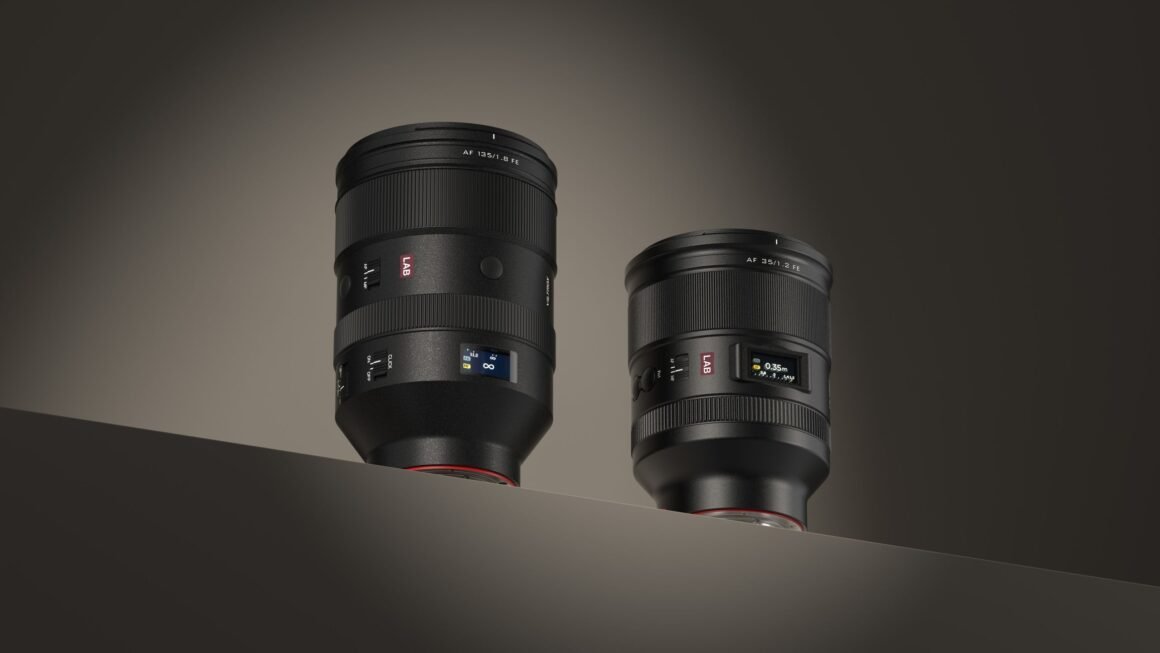

The Chinese lens manufacturer Viltrox has quickly established itself as a key player in the optical market, offering a range of affordable autofocus prime lenses that deliver strong performance at a fraction of the cost of proprietary brands. Their pricing strategy often undercuts traditional camera lenses from major brands like Nikon and Canon, making it a compelling choice for photography enthusiasts looking to balance quality with budget. For example, their AF 135mm F1.8 lens is priced under $600, which is significantly cheaper than comparable options from other manufacturers.
This development matters for photographers or videographers who want high-quality optics without the steep price tag. Viltrox lenses are relatively accessible and compatible with a wide range of camera systems, making them a feasible option for many users globally. The rising interest in these competitively priced lenses suggests that consumers are increasingly willing to explore alternatives to well-established brands, especially with the lens market expanding rapidly in Asia.
In terms of market context, Viltrox offers commendable optics that generally hold their own against higher-priced alternatives. However, brands like Sigma and Tamron provide a broader selection; for example, Sigma’s 35mm f/1.4 Art lens, at about $900, offers a strong reputation for image quality and consistency that might appeal to professional photographers. It’s essential to recognize that while Viltrox delivers solid performance for the price, Sigma lenses often have more robust build quality and a longer track record of reliability, making them suitable for those in professional or demanding environments.
Ultimately, Viltrox lenses are a smart choice for budget-conscious photographers looking for good image quality without breaking the bank, particularly if they’re working with popular mounts. However, professionals or those requiring specific features—like extensive warranty support or long-term consistency—might find better options in established brands like Sigma or Tamron. If you prioritize a broader selection of lenses and are willing to invest a bit more, sticking with these more traditional brands may be the way to go.
Source:
www.techradar.com