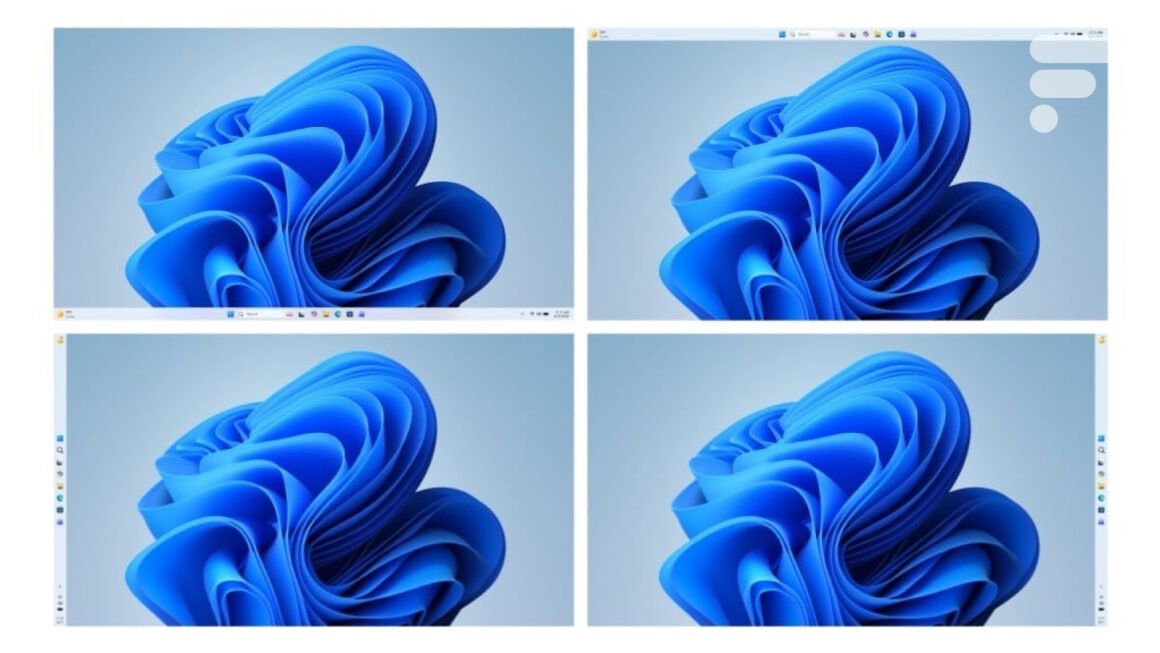

Microsoft has announced significant updates for Windows 11, including a long-awaited feature: the ability to move the taskbar to the top or sides of the screen. This adjustment comes after years of user feedback and critiques, with Microsoft now committed to improving the functionality and quality of the operating system. This update is set to roll out first for Windows Insiders in 2026.
These changes are essential, especially for users frustrated by the lack of customization options in Windows 11. By allowing users to reposition the taskbar, Microsoft acknowledges the need for ergonomic flexibility, accommodating various workflow preferences. In a global market where Windows competes against operating systems like macOS, these improvements could influence current purchasing decisions for new PCs or upgrades, especially for those looking for a more tailored user experience.
In terms of alternatives, many users may consider investing in systems pre-loaded with macOS or even exploring lightweight Linux distributions that offer different philosophies regarding user interface design. Competitors like Apple focus heavily on design and usability, but Windows still holds a significant market share due to its compatibility with a wider range of software and hardware. Budget-conscious buyers have options like Chromebooks, often more affordable but limited in capabilities compared to Windows PCs.
This update may appeal to users who have been hesitant to upgrade to Windows 11 due to its previous limitations. However, those who prioritize seamless integration with Apple products or require specific software that performs better on macOS might want to consider sticking with those systems for now. Ultimately, while the updates may enhance functionality for many, they do not address all user needs, particularly for those in specific industries or with detailed software requirements.
Source:
www.frandroid.com