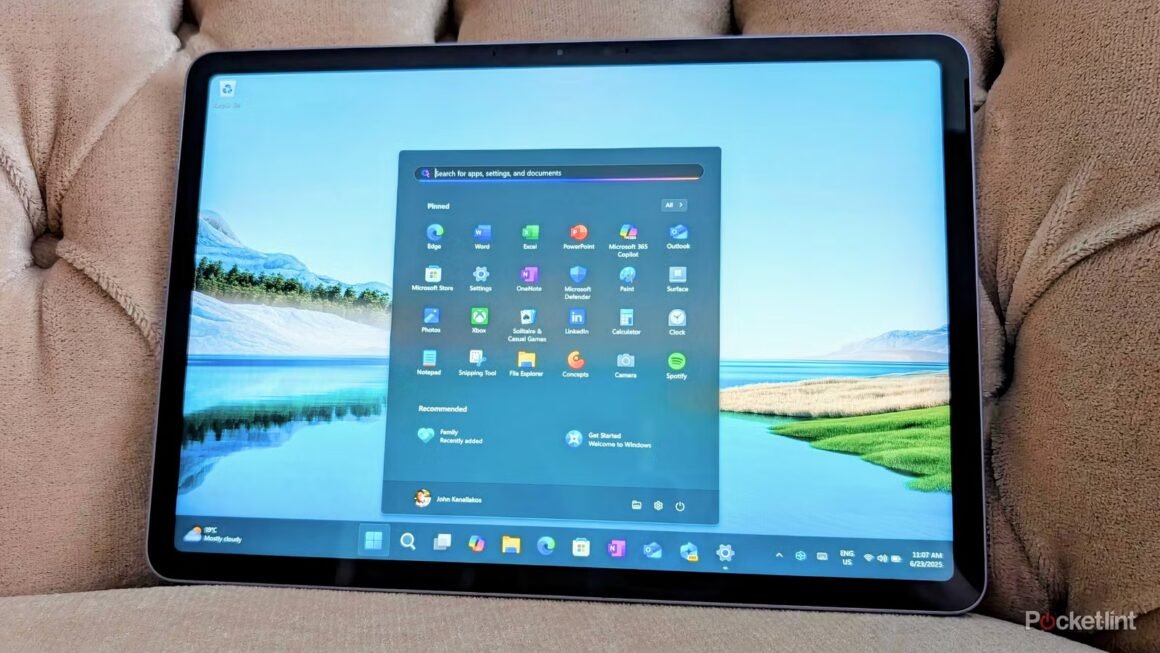

The discussion around touchscreen laptops often centers on their practicality and value compared to traditional models. While these devices can offer unique interactions, they may not provide significant benefits for all users. Touchscreen laptops generally command a higher price, sometimes adding several hundred dollars due to the necessary hardware features like reinforced glass and specialized hinges. This premium can make them less appealing for users focused on essential computing tasks.
For consumers today, especially those deciding between a traditional laptop or a touchscreen model, understanding the trade-offs is crucial. The touchscreen experience may seem attractive, particularly for casual use, presentations, or creative tasks like drawing. However, typical productivity tasks often remain easier with a mouse and keyboard. With numerous touchscreen options available globally, potential buyers might feel overwhelmed and need to consider which features align best with their needs.
In terms of market alternatives, you can find a variety of laptops with both touchscreen and non-touchscreen options across different price ranges. Higher-end models like the Surface Laptop 5 can start around $1,000, providing decent specs alongside the touchscreen capability. On the other hand, devices like the Razer Blade 17, tailored for gaming and productivity, provide powerful performance without a touchscreen but come at a premium. Mid-range options like Lenovo’s Yoga series offer touchscreens at a more accessible price point but may lack the processing power needed for more demanding applications.
Ultimately, the decision hinges on your usage patterns. Those needing a laptop primarily for typing, browsing, or standard office applications might be better off with a more conventional model that avoids the touchscreen markup. Conversely, if your tasks lean towards creative work or you simply prefer the tactile nature of a touchscreen, investing in that feature may be worthwhile. However, a simple fact remains: not everyone will find the touchscreen necessary or advantageous, particularly if the added cost does not translate to enhanced productivity in their daily tasks.
Source:
www.pocket-lint.com