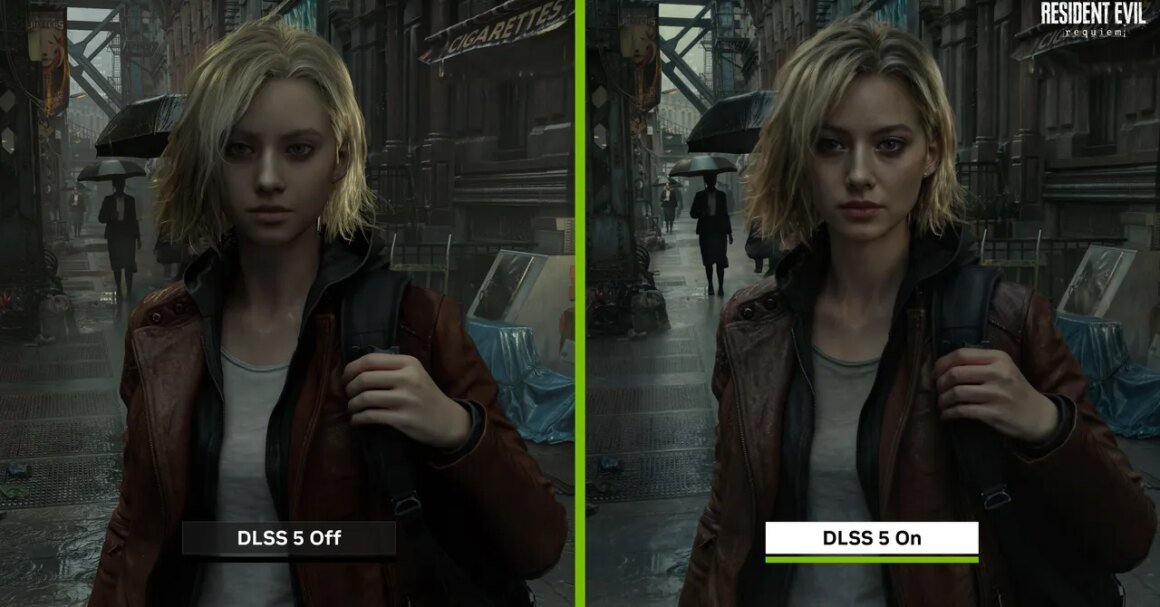

Nvidia recently faced substantial criticism over its new Deep Learning Super Sampling (DLSS) technology, particularly the upcoming DLSS 5. The company’s CEO stated that gamers are “completely wrong” about the technology, which has sparked a significant backlash. This situation reflects broader industry tensions as developers and gamers express concerns about reliance on AI-driven enhancements rather than traditional optimization techniques.
This situation matters for anyone considering a graphics card purchase or interested in enhanced gaming experiences. If you’re navigating the PC gaming market, DLSS and similar technologies can significantly alter performance, particularly in resource-intensive titles. While Nvidia’s advancements may seem enticing, the mixed reactions from developers highlight potential pitfalls for consumers looking for a seamless gaming experience.
In terms of market context, Nvidia’s most recent graphics cards—like the RTX 5090—are positioned at the high end, often priced around $1,599. Competing products from AMD, such as the Radeon RX 7900 XT, offer solid performance at around $899, making them more approachable for many gamers. For those on a tighter budget, older models like the RTX 3060 or RX 6700 offer decent performance, albeit without the latest AI features like DLSS 5. Each of these options comes with trade-offs, particularly around the graphical fidelity in the latest games.
Ultimately, prospective buyers should weigh the benefits of cutting-edge technology against their gaming needs. If you primarily play less demanding titles or are not interested in ultra-realistic graphics, investing in the newest Nvidia offerings may not be the best choice. Additionally, if you prefer a gaming experience grounded in visual style over sheer realism, exploring alternatives from AMD or older Nvidia models might align better with your preferences. The decision to invest in DLSS technology should be influenced by your specific gaming habits and hardware compatibility.
Source:
www.wired.com