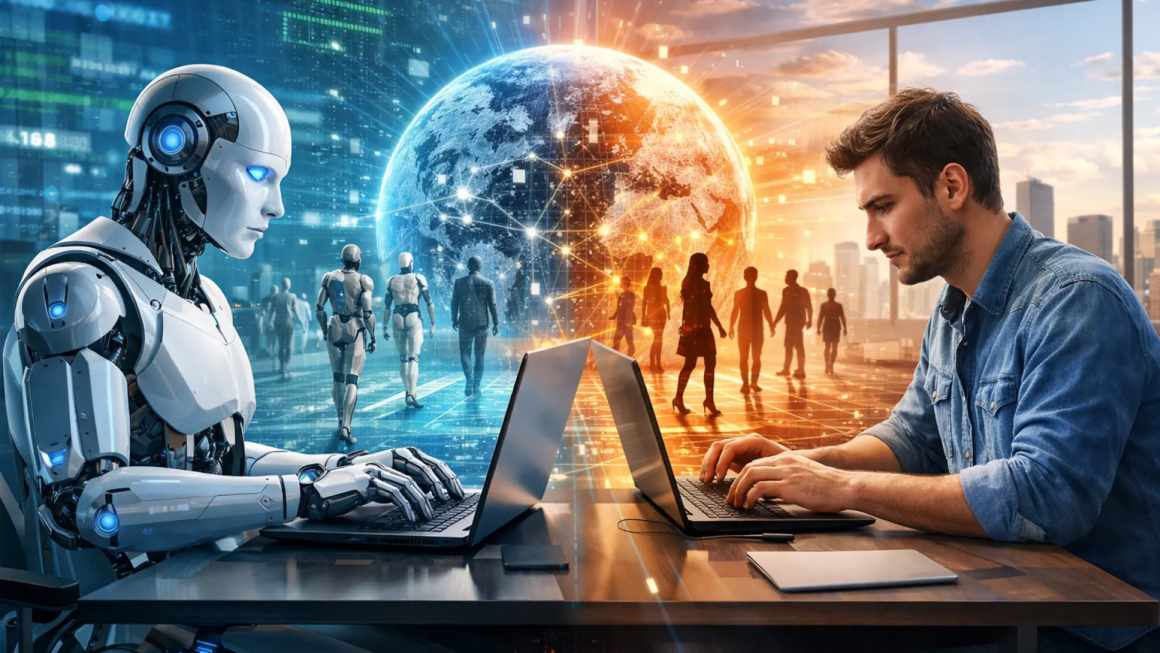

The rise of artificial intelligence (AI) is set to drastically change the online landscape, with a prediction that bot traffic could surpass human traffic by 2027. This shift has been highlighted by prominent voices in the tech industry, raising critical questions about the implications for how we use the internet.
This development is particularly relevant for businesses and individuals who rely heavily on web traffic. For those considering digital marketing strategies or investing in online platforms, understanding the evolving landscape where AI-generated traffic may dominate is essential. If you’re running a website or an e-commerce store, anticipating changes in user interactions and traffic patterns could influence your current strategies and budget allocations.
In terms of market context, while current estimates suggest that bots account for around 20% of internet traffic, figures could shift dramatically as AI takes on more capability. This could significantly impact industries online, especially those tailored to human engagement. Alternatives like traditional SEO strategies or manual traffic generation will likely require adaptations to accommodate an influx of non-human traffic sources. Competing products or strategies need to focus on how they manage bot interactions while ensuring human users remain engaged and served effectively.
For those evaluating their approach to web engagement, acknowledging this imminent shift is crucial. Companies or individuals heavily reliant on human traffic might want to reconsider their strategies, or risk becoming obsolete in an increasingly automated landscape. However, those who primarily produce content for niche audiences or rely on certain user-centric engagement methods may find that their current strategies still suit their needs without immediate modification, thus making a switch less critical.
Source:
computerhoy.20minutos.es