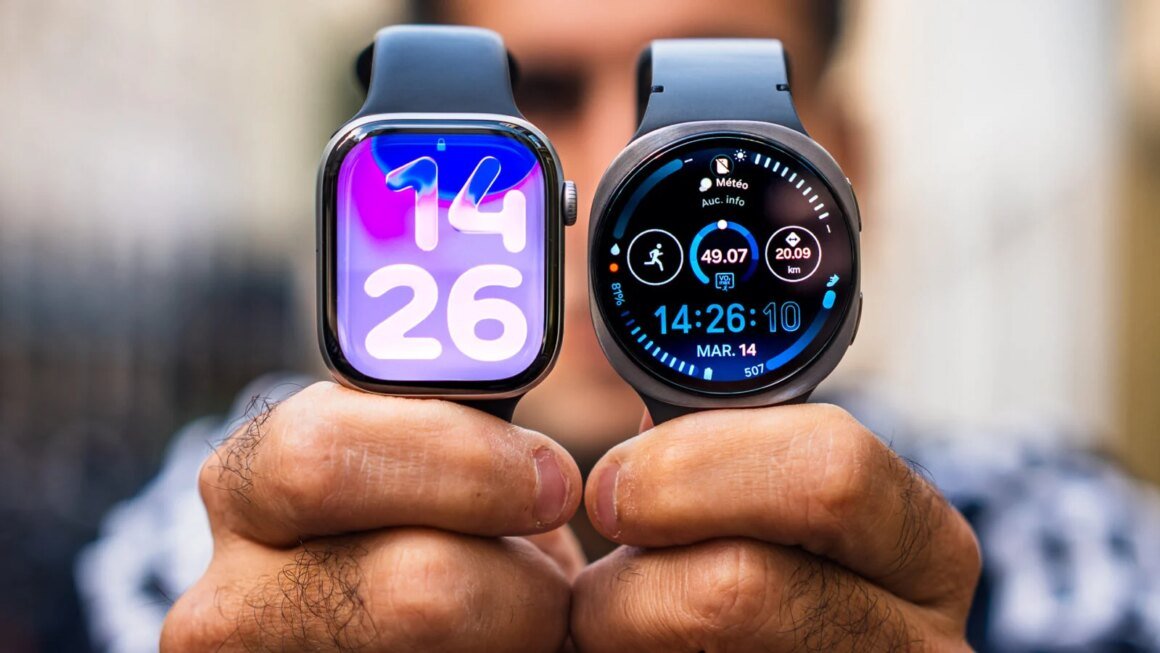

A recent incident involving a Galaxy Watch 5 Pro serves as a crucial reminder: even smartwatches marketed as water-resistant can face serious damage when exposed to saltwater. Following a swim in the ocean, the user’s watch malfunctioned, despite its advertised features, which include a robust water resistance rating of 5ATM and military-grade durability.
This news is particularly relevant for prospective buyers of smartwatches, especially outdoor enthusiasts or fitness lovers who may be drawn to features that suggest they can withstand rugged environments. While many brands tout their products as resistant to various elements, the reality can differ significantly. Caution is necessary, especially for users who may mistakenly believe that swimming in saltwater or chlorinated pools is safe for these devices.
In terms of market context, smartwatches like the Galaxy Watch 5 Pro are priced around $400, while alternatives like the Garmin Forerunner 245 come in at about $300 and offer specialized fitness tracking without the added risk associated with water exposure. On the higher end, the Apple Watch Ultra retails for around $900 and explicitly warns against saltwater exposure as well. Thus, potential buyers should weigh their options carefully depending on their intended use—whether for casual swimming or serious athletic training.
Overall, those seeking a smartwatch that can handle everyday activities should consider not only the features but also the limitations surrounding water exposure. If you’re likely to be near saltwater or chlorine, it may be wise to explore models designed specifically for such situations. Alternatively, if you prioritize fitness tracking over smartwatch capabilities, options like regular fitness bands may provide a better, risk-free experience.
Source:
www.01net.com