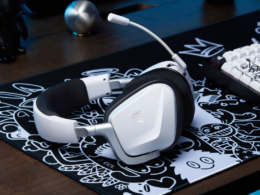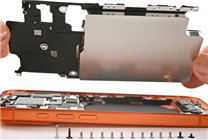

The latest update for Valve’s gaming ecosystem brings significant enhancements, particularly for the Steam Deck and related devices. Notably, this update introduces long-awaited power management features like genuine hibernation modes, enhanced Bluetooth functionality, and broader support for various handhelds including Microsoft’s Xbox Ally series and Lenovo’s Legion Go 2. Additionally, it boasts improved Linux desktop capabilities with new display options and better audio support for Steam Machines connected to home entertainment systems.
This update is relevant because it targets users of portable gaming devices and consoles who prioritize power efficiency and connectivity. For current Steam Deck owners or those considering a handheld gaming purchase, the ability to extend battery life with hibernation, along with new Bluetooth mic support, makes the Steam Deck a more compelling option. These features might significantly sway a user’s decision if they rely heavily on wireless audio or want longer gaming sessions without the need for constant recharging.
In terms of market context, the Steam Deck is priced competitively starting around $399, which positions it against other handhelds like the Asus ROG Ally and the Lenovo Legion Go. The ROG Ally starts at a similar price point, but users often cite performance issues as a drawback, while the Legion Go is praised for improved ergonomics and display quality. Each option has its strengths, with the Steam Deck’s ecosystem providing robust compatibility with various gaming titles, suiting users who prioritize a versatile gaming platform.
Ultimately, the latest update is particularly well-suited for current Steam Deck users or those deeply entrenched in Valve’s gaming ecosystem. The enhancements do not necessarily make it the right choice for everyone; for instance, those who prefer gaming on traditional consoles or are less interested in portable systems might find better value elsewhere. Additionally, if audio quality and gaming performance during sleep mode are paramount, alternatives like premium gaming laptops could be a better investment.
Source:
www.theverge.com