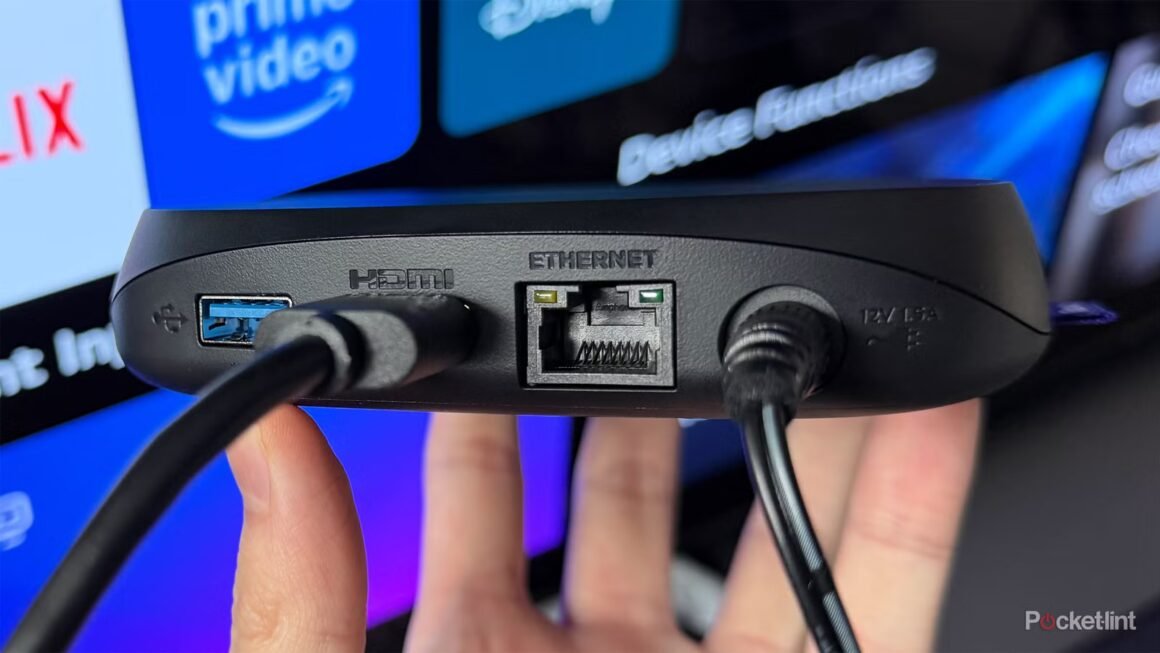

When considering streaming devices, many users often face a choice between streaming boxes and sticks. While both serve the fundamental purpose of streaming content, boxes typically offer enhanced hardware, additional features, and a range of connectivity options including USB and Ethernet ports, which streaming sticks often lack.
This distinction matters for consumers deciding which device is best for their home entertainment setup. Streaming boxes with Ethernet ports can provide steadier connections, which is crucial for high-definition content streaming. However, it’s essential to note that not all Ethernet ports are created equal; many devices still use older 10/100 Ethernet technology, which may not deliver the speeds needed for optimal streaming performance. Thus, the type of Ethernet port available can significantly impact user experience.
Pricing for streaming boxes varies significantly. For instance, the Roku Ultra typically retails around $99, while devices like the Amazon Fire TV Cube are similarly priced. Both have 10/100 Ethernet capabilities, which might be limiting for users with high-speed internet. On the other hand, options like the Apple TV 4K (starting at around $199) and the Nvidia Shield TV Pro (approximately $199) provide Gigabit Ethernet, allowing for faster streaming and better performance in activities like cloud gaming. These devices cater to a more premium audience but promise greater future-proofing.
Purchasers looking for strong performance and additional connectivity options should consider investing in streaming boxes that feature Gigabit Ethernet. However, if your streaming needs are basic and you are satisfied with Wi-Fi connectivity, a more economical streaming stick might suffice. Therefore, for someone prioritizing budget over performance, sticking with a less expensive option could be the wiser choice.
Source:
www.pocket-lint.com