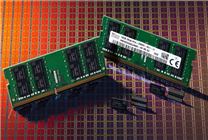

The price of 16GB memory RAM has seen a staggering increase, rising from approximately $30 in early 2025 to between $100 and $120 today, with some reports even citing increases of up to 300% for larger capacities. This change is largely due to a surge in demand driven by advancements in artificial intelligence and supply chain constraints affecting memory chip production.
This escalation in memory prices is significant for anyone looking to upgrade their computer—whether for gaming, work, or general use. Those who rely on high-performance systems will feel the pinch most acutely, as increased RAM capacity often translates directly to better performance in resource-heavy applications. For casual users or those on a tight budget, the current prices may complicate upgrade plans, making it essential to reconsider what is necessary versus what might simply be desirable.
In the current market, DDR4 memory is the standard choice for most users due to its balance of performance and price point. With the rise in DDR4 costs, some users have turned their eyes back to DDR3, which, despite being outdated, is now a more affordable option. The availability of DDR3 provides a potential stopgap for individuals or companies unwilling to pay a premium for newer tech. However, it’s vital to note that while DDR3 may save money upfront, it can hinder performance in the long term, especially for users aiming to run more modern software.
For buyers navigating the current landscape, those needing immediate upgrades might find the increased prices hard to justify. It could be worth waiting for prices to stabilize or seeking out mid-range alternatives that provide a balance between cost and performance. On the other hand, budget-focused users may prefer the older DDR3 modules to capitalize on lower costs, despite the lower performance. Each option has its merit depending on your immediate needs and intended usage, so buyers should weigh these against their long-term tech goals before making a decision.
Source:
news.mydrivers.com