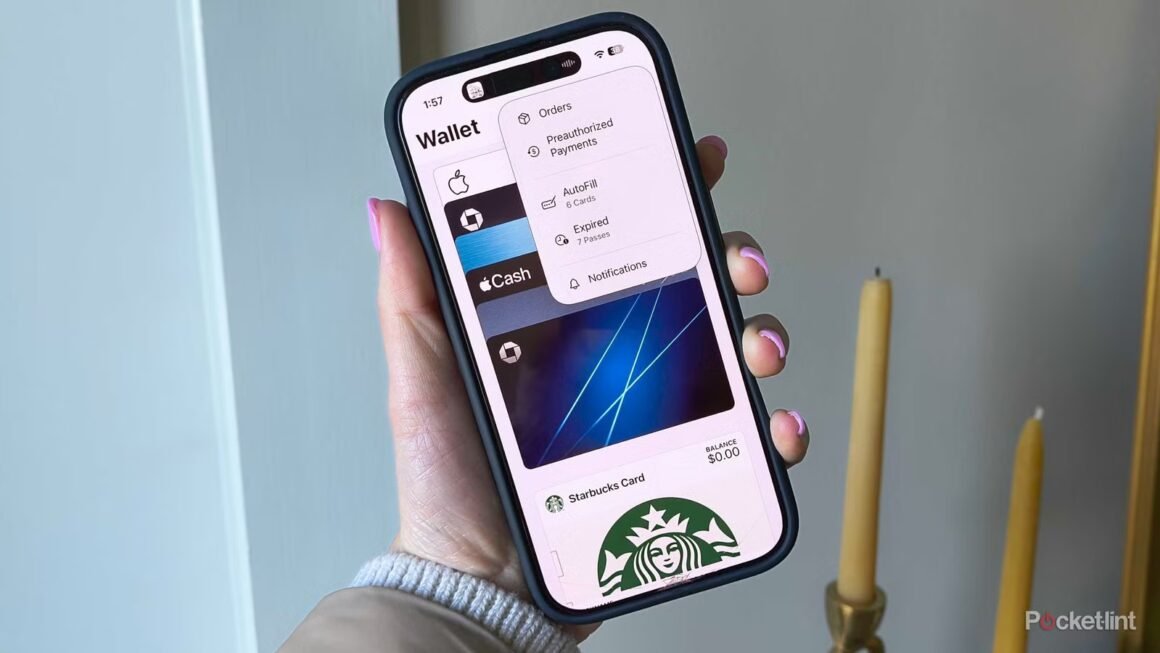

Apple Wallet is a versatile digital wallet on the iPhone that securely stores credit cards, debit cards, and gift cards, allowing users to make contactless payments. Recently, Apple faced backlash for pushing ads through the app, causing users to be concerned about their financial security. In response, Apple introduced a feature that allows users to disable promotional notifications, giving more control over their wallet experience.
This update is significant for current iPhone users who frequently use Apple Wallet for everyday purchases. If you’ve been hesitant to rely on the app for quick transactions due to the risk of intrusive ads, this new option may encourage you to use it more freely. With Apple Wallet, users can conveniently complete transactions without needing to carry physical cards while ensuring that their app usage remains focused on finance, rather than marketing.
In the current market, Apple Wallet stands out due to its integration with iPhones, making it a natural choice for Apple device users. Alternatives like Google Pay and Samsung Pay offer similar functions but may not have the same level of integration within the Apple ecosystem. Users who prefer compatibility with Android devices will find those alternatives appealing, while iPhone users will benefit most from Apple Wallet’s features. Pricing for Apple’s ecosystem means that there are no additional costs for using the wallet itself, unlike some standalone payment apps that may charge transaction fees or subscription costs.
This update to Apple Wallet is beneficial for tech users who prioritize seamless and secure financial transactions through their devices. However, if you occasionally find advertisements beneficial or enjoy discovering new promotions, you may want to weigh the benefits of keeping notifications active. Ultimately, Apple Wallet now offers a better experience for those who prioritize privacy and control over their digital finances.
Source:
www.pocket-lint.com