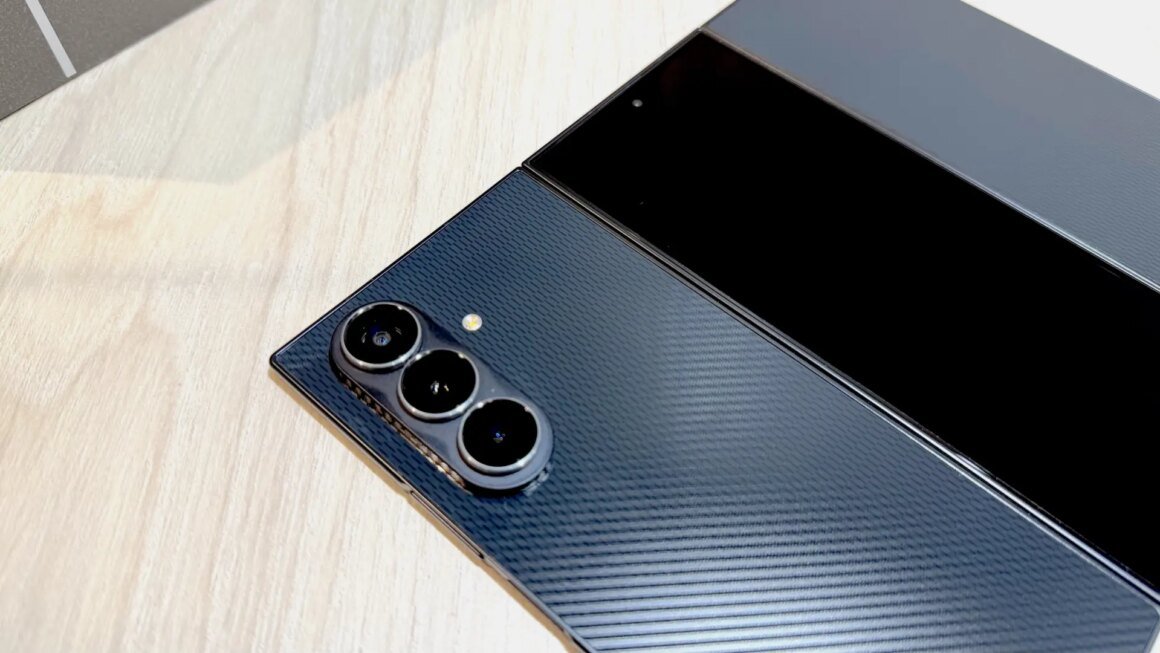

The Samsung Galaxy Z TriFold, one of the most anticipated smartphones, has been discontinued three months after its launch, with sales totaling around 3,000 units. This unique device offered a folding feature that transitions from a 6.5-inch to a 10-inch display, aiming to serve as a tablet replacement. Despite its innovative design and compatibility with Samsung DeX, the TriFold will no longer be produced.
This development is especially relevant for consumers interested in high-end smartphones featuring foldable technology. With this announcement, potential buyers in various markets should consider whether to pursue the TriFold while supplies last, or explore other options. Although initially launched in South Korea, it was also available in the U.S. and Europe, but its production limitations suggest a niche audience rather than mass sales. The decision to discontinue the device may impact buyers who are looking for cutting-edge technology but are unsure of its future availability.
In the current market, foldable smartphones like the Z TriFold typically come with a premium price tag, often exceeding $2,000. Alternatives include the Samsung Galaxy Z Fold series, which has established itself with broader market appeal and is often available at various price points, ranging from $1,800 to $2,200, depending on specifications. The Huawei Mate X and the recently launched Oppo Find N also offer foldable options, priced similarly but each having different features and ecosystem compatibility. For buyers prioritizing traditional smartphones, top-tier options like the iPhone 14 Pro and Samsung Galaxy S23 Ultra are solid choices, starting around $1,000 and $1,200 respectively.
Ultimately, the Galaxy Z TriFold is best suited for tech enthusiasts who value innovative, foldable designs and are comfortable with a high price to experiment with new technology. However, those who seek reliable performance without the novelty of foldable screens may want to consider more traditional smartphones, which can provide better long-term value and support. If production issues and limited availability concern you, exploring established alternatives like the Galaxy Fold or iPhone may be a wiser choice.
Source:
computerhoy.20minutos.es