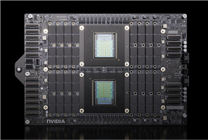

NVIDIA has launched its new Vera CPU, boasting 88 cores and 176 threads, designed to challenge established players like Intel and AMD. This CPU features a unique architecture based on ARMv9.2-A, and NVIDIA claims it offers significant improvements over its predecessor, Grace, particularly in performance metrics. Vera is set to enter direct sales in the CPU market, a notable shift for a company primarily known for its GPUs.
This development is particularly relevant for enterprises and tech professionals seeking high-performance computing solutions. With Vera’s capabilities, including a remarkable boost in data processing speed and improved efficiency in multi-threaded environments, it could become a viable option for cloud service providers and businesses engaged in high-performance computing tasks such as data analysis and machine learning. While the product is now in production, its availability in various markets remains a crucial factor for potential buyers.
In the current landscape, the Vera CPU will be competing against Intel’s Xeon and AMD’s EPYC processors, which offer a range of specifications and pricing. Intel’s Xeon Scalable processors start at around $500, while AMD’s EPYC line can range from around $700 to $4,000, depending on the core count and performance capabilities. Vera promises performance enhancements of up to 2.2 times that of its predecessor in specific scenarios, making it an attractive option for users needing advanced computational power. However, it is vital for buyers to evaluate their specific needs against these alternatives before making a decision.
Purchasers should consider NVIDIA’s Vera CPU if they require substantial threading capabilities and are operating in environments that demand high data throughput. However, those who are already invested in the Intel or AMD ecosystems might find it more practical to stay within those brands due to compatibility and support considerations. Additionally, enterprises with an established infrastructure might look to maintain their current systems rather than undertaking a shift to an entirely new architecture. The cost and complexity of transition could be a compelling reason for some to explore established options rather than opting for something new.
Source:
news.mydrivers.com